Skip to content


Security systems have come a long way from basic locks and alarms. Today, they’re smart, connected, and incredibly responsive. In the past, an alarm might sound and hope someone nearby heard it. Now, systems can instantly alert monitoring centers and emergency responders within seconds.
Modern systems combine sensors, cameras, and cloud-based software. They don’t just react; they anticipate risks. That’s a major shift, and it’s saving lives.
Table of Contents
ToggleWhy Integration Matters Today
The real game-changer is integration. Instead of working alone, security systems now communicate directly with emergency services. This connection reduces delays and improves accuracy during emergencies.
For example, if a fire starts, a connected system doesn’t just trigger an alarm; it sends verified data to responders. That means faster action and better outcomes.
Understanding Emergency Services Integration
What Integration Really Means
Integration refers to the seamless connection between your security system and emergency responders like police, fire departments, and medical services. These systems share real-time data, alerts, and even live video feeds.
Key Components of Integrated Systems
An integrated setup usually includes:
- Smart sensors (motion, smoke, CO detectors)
- Control panels
- Monitoring centers
- Communication networks
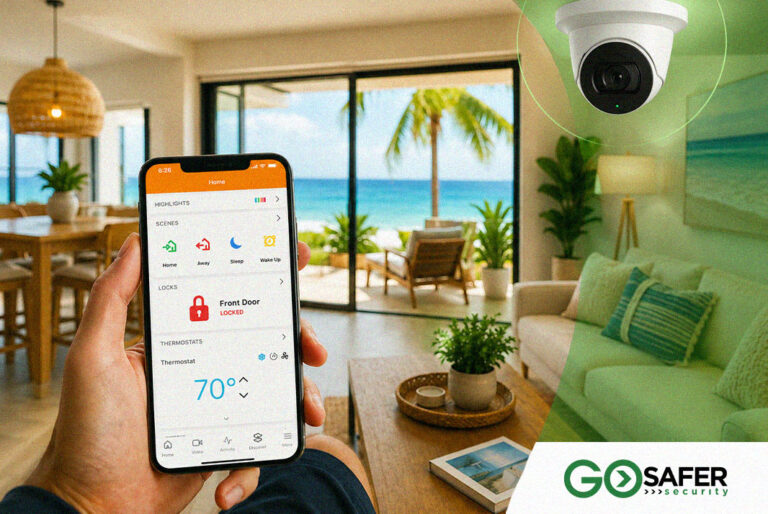
- Mobile apps for real-time access
Together, these elements create a unified safety ecosystem.
Real-Time Monitoring and Alerts
Role of Monitoring Centers
Monitoring centers act as the bridge between your system and emergency services. When an alarm is triggered, trained professionals assess the situation immediately.
They verify whether the threat is real before contacting authorities. This step is crucial in reducing unnecessary dispatches.
Instant Notifications to Authorities
Once verified, alerts are sent instantly to emergency responders. This can include:
- Location details
- Type of emergency
- Live video or sensor data
This level of detail allows responders to prepare before they even arrive.
Smart Sensors and Automated Detection
Fire Detection Systems
Fire alarm systems are one of the most critical integrations. Modern smoke and heat detectors can:
- Detect fires earlier
- Trigger alarms instantly
- Notify fire departments automatically
This reduces damage and increases survival rates.
Intrusion Detection Technology
Motion sensors and door/window contacts identify unauthorized access. When triggered, they send alerts to monitoring centers and law enforcement.
Advanced systems can even distinguish between pets and real threats, reducing false alarms.
Communication Between Systems and Responders
Alarm Verification Process
Before dispatching emergency services, many systems use verification methods such as:
- Video confirmation
- Multiple sensor triggers
This ensures that responders are only called when truly needed.
Reducing False Alarms
False alarms are a major issue for emergency services. Integrated systems help reduce them through smarter detection and verification.
This not only saves resources but also builds trust between property owners and responders.
Video Surveillance and Live Access
How Cameras Assist Emergency Teams
Video surveillance adds a visual layer to security. During an emergency, responders can access live footage to assess the situation.
This helps them:
- Identify threats
- Plan entry points
- Ensure safer operations
Remote Access for Authorities
In some cases, authorities can access camera feeds remotely. This allows them to make faster, more informed decisions.
It’s like giving responders a head start before they arrive.
Integration with Fire Alarm Systems
Automatic Fire Department Alerts
Integrated fire systems automatically notify fire departments when triggered. There’s no need for manual calls. This reduces response time significantly.
👉 Learn more about fire alarm system installation and monitoring services
Sprinkler System Coordination
Some systems also activate sprinklers automatically. This helps control fires before responders arrive.
It’s a proactive approach that minimizes damage.
Role of AI and Smart Technology
Predictive Threat Detection
Artificial intelligence is transforming security systems. AI can analyze patterns and predict potential threats before they happen.
For instance, unusual activity patterns can trigger alerts even before a break-in occurs.
Data-Driven Emergency Response
AI also helps responders by providing data insights. This includes:
- Risk levels
- Occupancy data
- Historical trends
This information improves decision-making during emergencies.
Benefits of Integrated Security Systems
Faster Response Times
Time is everything during an emergency. Integrated systems cut down response times by:
- Eliminating delays
- Providing instant alerts
- Sharing real-time data
Enhanced Safety and Prevention
Beyond response, these systems help prevent incidents altogether. Early detection and smart alerts reduce risks significantly.
Industry Applications
Residential Use Cases
Homeowners benefit from:
- Smart alarms
- Remote monitoring
- Direct emergency alerts
This provides peace of mind, whether you’re home or away.
Commercial and Industrial Use
Businesses rely on integrated systems for:
- Employee safety
- Asset protection
- Regulatory compliance
Professional installation ensures everything works seamlessly.
👉 Explore commercial security system solutions tailored for businesses here.
Choosing the Right Security Provider
Key Features to Look For
When selecting a provider, consider:
- 24/7 monitoring
- Integration capabilities
- Advanced sensors
- Mobile access
Importance of Professional Installation
DIY systems can’t match the reliability of professionally installed solutions. Experts ensure proper setup and integration with emergency services.
Future Trends in Security Integration
IoT and Smart Cities
The Internet of Things (IoT) is connecting devices like never before. In smart cities, security systems will integrate with traffic lights, public safety networks, and more.
Advanced Automation
Automation will continue to evolve. Systems will become more predictive, reducing the need for human intervention.
Conclusion
Understanding how security systems integrate with emergency services is essential in today’s world. These systems don’t just alert; they communicate, verify, and respond in real time.
From faster response times to smarter prevention, integration is redefining safety. Whether for homes or businesses, investing in an integrated system means investing in peace of mind.
As technology continues to evolve, these systems will only become more powerful, efficient, and essential.