Skip to content



Setting up a fire alarm system isn’t just about hanging some red boxes on the wall and calling it a day. It’s a complex puzzle that requires a lot of attention to detail. Whether you’re a building owner or a technician, you’ve probably felt the stress of an upcoming inspection. We all want our buildings to be safe, but sometimes, the rules can feel a bit overwhelming. Between the thick books of regulations and the technical jargon, it’s easy to miss a step. However, knowing the common code violations in fire alarm installations can save you from big headaches and, more importantly, keep people safe.
Understanding Why Code Compliance Matters
When we talk about “the code,” we’re usually talking about NFPA 72. This is basically the “bible” for fire alarm systems. Following these rules isn’t just about avoiding a fine from the fire marshal; it’s about making sure that if a fire starts, everyone in the building gets out alive.
It’s reassuring to know that these codes are based on years of research and real-life data. They aren’t just random rules made up to make life difficult. When a system is installed correctly, it acts like a silent guardian. But when corners are cut, that guardian might fail when you need it most. Ensuring NFPA 72 compliance is the best way to sleep well at night, knowing your property is protected. Plus, fixing a violation after the walls are closed up is way more expensive than doing it right the first time!
The Big List of Common Code Violations in Fire Alarm Installations
Over the years, inspectors have seen it all. Some mistakes happen because someone was in a hurry, while others happen because the person didn’t quite understand the “why” behind the rule. Let’s dive into the fundamentals of where things usually go wrong.
Mistakes in Smoke Detector Placement
One of the most frequent common code violations in fire alarm installations involves where smoke detectors are placed. It’s a classic “no-brainer” to think you just put them in the middle of the room, but there’s a science to it.
The “Dead Air” Space Trap
Smoke travels up and then spreads out across the ceiling. However, smoke doesn’t always reach the very corners where the wall meets the ceiling. This area is called “dead air.” If you mount a detector too deep into a corner, the smoke might just swirl right past it. Generally, you want to keep detectors at least 4 inches away from the wall-ceiling joint. If you put them in that dead air space, the alarm won’t trigger until the room is already full of smoke, and by then, it might be too late.

Airflow and HVAC Interference
This is a head-scratcher for many installers. If you place a smoke detector too close to an air conditioning vent or a ceiling fan, the moving air can actually blow the smoke away from the sensor. It’s like trying to smell a candle while someone is blowing a fan directly in your face. Codes usually require detectors to be at least 3 feet away from air supply vents. If the air is moving too fast, the detector won’t “see” the smoke, leading to a dangerous delay.

Accessibility Issues with Pull Stations
We’ve all seen pull stations, those red handles near the exits. You’d think putting them up is easy as pie, but pull-station accessibility is a major sticking point for inspectors.
The rule of thumb is that they must be easy to reach for everyone, including people in wheelchairs. If a pull station is mounted 5 feet high, someone who can’t stand up might not be able to reach it. Usually, the handle should be between 42 and 48 inches from the floor. Also, don’t hide them behind doors or storage racks! If someone has to move a box of paper to pull the alarm, that’s a massive violation. You need a clear path to that handle at all times.

Visual and Audible Notification Failures
When the alarm goes off, it needs to be loud, and the lights need to be bright. If people can’t hear or see the alarm, it’s basically useless. This is where many systems fail during the final testing phase.
Strobe Intensity and Synchronization
Strobe lights aren’t just for show. They help people who are hard of hearing realize there’s an emergency. A common mistake is using the wrong “candela” (brightness) setting for the room size. A large warehouse needs much brighter flashes than a small office.
Another tricky part is synchronization. If you have multiple strobes in one big room, they all need to flash at the exact same time. Why? Because out-of-sync flashes can actually trigger seizures in some people. If your strobes are blinking like a messy disco floor, you’re going to fail your inspection.
Fire Alarm System Wiring and Technical Errors
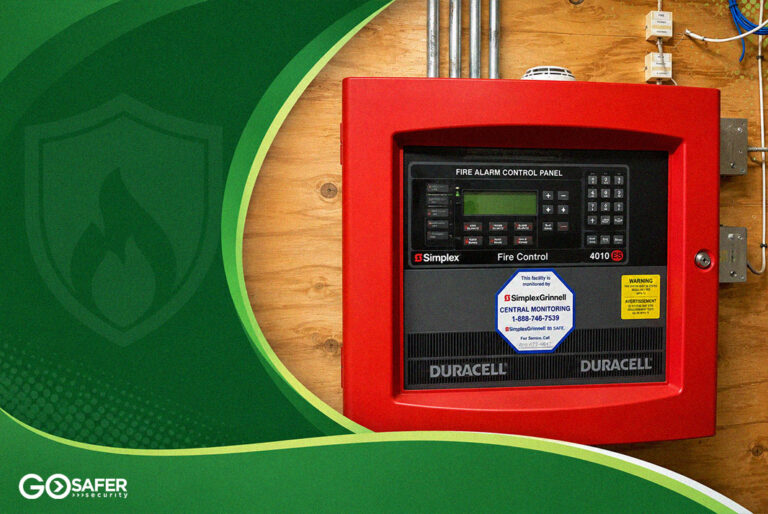
The “brains” and “nerves” of your fire system are the control panel and the wires. Since most of this is hidden behind walls, it’s easy for mistakes to get buried—literally. But fire alarm system wiring must be handled with extreme care to ensure the system doesn’t malfunction.
Improper Grounding and Shielding
Electricity can be a bit wild. Other electronics in a building, like fluorescent lights or big motors, can create “noise” that messes with fire alarm signals. This can cause “ghost” alarms or make the system report a trouble code for no reason.
To fix this, wires often need to be shielded or grounded correctly. If a technician forgets to connect the drain wire or if they ground it in the wrong place, the whole system might act up. It’s a frustrating problem that can take hours to track down. Always make sure your wiring is clean and follows the manufacturer’s specific instructions to the letter.
Using the Wrong Wire Gauge
Not all wire is created equal. If the wire is too thin (the “gauge” is too high), the electricity loses strength as it travels long distances. This is called “voltage drop.” If the voltage drops too much, the sirens at the end of the hallway might not have enough power to make noise.
There have been many cases where an installer used thin wire to save a few bucks, only to find out the strobes at the end of the line wouldn’t light up. Always stick to the design drawings. If the plan calls for 14-gauge wire, don’t try to swap it for 18-gauge just because you have an extra roll in the truck.
Documentation and Maintenance Oversights
You could have the most perfect installation in the world, but if you don’t have the paperwork to prove it, you’re still in trouble. Inspectors love their paperwork. They want to see the “Record of Completion” and the “Battery Calculations.”
Many people forget to leave the owner’s manual or the circuit directory inside the fire alarm control panel. If a technician comes by two years from now to fix a problem, they need to know which wire goes where. If that information is missing, it’s a code violation. On top of that, you need to show a plan for regular testing. A fire alarm is a “life-safety” system, which means it needs to be checked constantly to make sure the batteries haven’t died and the sensors aren’t dusty.
How to Stay Ahead of the Inspector
The best way to avoid these issues is to be proactive. It’s okay to feel a bit nervous about a fire inspection, but if you’ve done your homework, you’ll be fine. Here are a few tips to stay on the right side of the law:
- Read the Blueprints: The engineers who designed the system usually know the codes inside and out. If the plans say a detector goes in a specific spot, put it there.
- Use a Checklist: Before the fire marshal shows up, walk through the building with your own checklist. Measure the height of the pull stations and check the distance from the vents.
- Label Everything: Clear labels on the wires and the control panel make everyone’s life easier. It shows the inspector that the job was done by a professional.
- Stay Educated: Codes change every few years. What was okay in 2015 might not be okay today. Taking a quick refresher course on NFPA 72 standards is always a smart move.
Moving on, remember that a fire alarm system is only as good as its weakest link. Whether it’s a loose wire or a poorly placed sensor, one small mistake can jeopardize the entire building. By keeping an eye out for these common code violations in fire alarm installations, you aren’t just checking boxes; you’re being a hero for the people who work and live in your building.
Conclusion
At the end of the day, fire safety is a team effort. It takes the designers, the installers, the owners, and the inspectors all working together to create a safe environment. While it might seem like there are a million rules to follow, they all boil down to one goal: giving people enough time to escape in an emergency.
Don’t let common code violations in fire alarm installations catch you off guard. Take your time, double-check your measurements, and never be afraid to ask for a second opinion if something doesn’t look right. Staying compliant might take a bit more effort upfront, but the peace of mind is worth every second. Keep your wires tidy, your detectors clear, and your documentation ready.