Skip to content


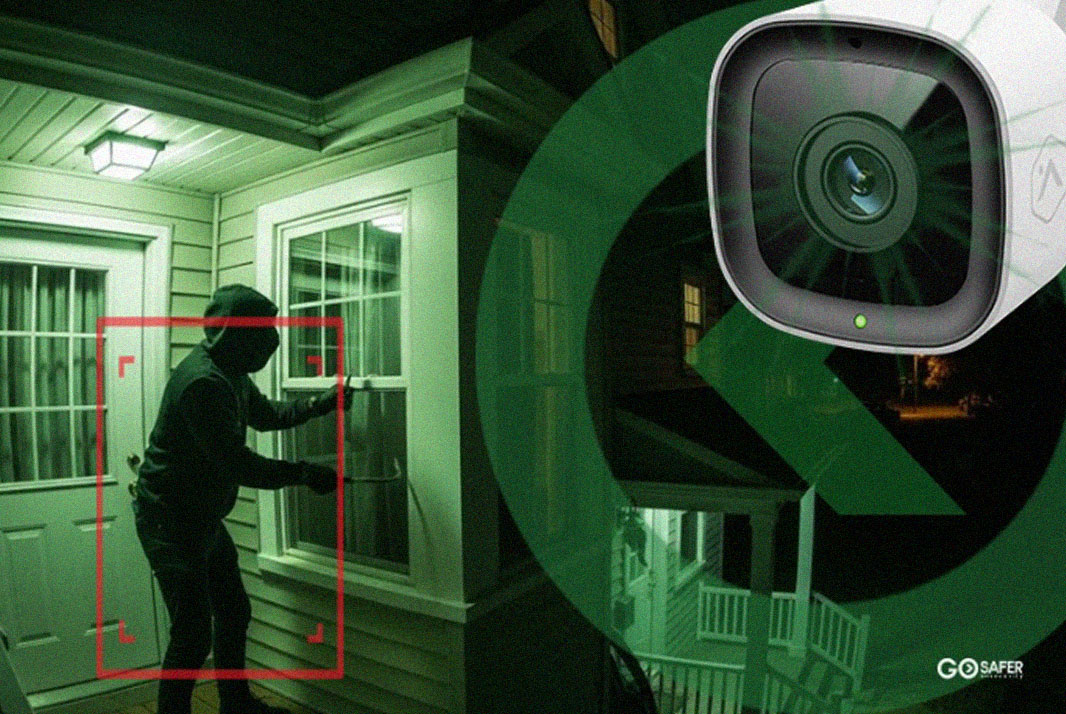
Most people think of a home intruder as a seasoned professional, a high-tech thief in a black mask who has spent weeks studying their every move. The reality is usually much less cinematic. In most cases, a burglar is an opportunist. They aren’t looking for a challenge; they are looking for a payday that involves the least amount of effort and the lowest possible risk.
If you want to protect your home, you have to stop thinking like a homeowner and start thinking like a person looking for an easy way in. Understanding the psychology behind these crimes is the first step toward making your property what security experts call a “hard target.”
Table of Contents
ToggleThe Search for the Path of Least Resistance
A burglar’s biggest enemies are time, light, and noise. Every second they spend trying to force a lock is another second they might be seen. Every loud noise they make increases the chance of a neighbor looking out the window.
What Burglars Look for in a Target
Easy Access Points
Unlocked doors, weak locks, or hidden entryways are a big draw. If a burglar sees an opportunity that requires little effort, they’ll take it.
Signs of Absence
An empty house stands out more than you might think. Common clues include:
- Packages piling up
- Lights off for long periods
- No vehicle in the driveway
Even small details can signal that no one is home.
Poor Lighting and Visibility
Dark areas around a home provide cover. Side yards, back doors, and unlit driveways are common entry zones.
The Message Your Landscaping Sends
Overgrown bushes and tall hedges might give you privacy, but they also give a burglar a place to hide. Keep your shrubbery trimmed low, especially near windows and doors.
Professional security consultants often recommend the “three-foot, seven-foot” rule: keep hedges trimmed to three feet or lower and tree canopies thinned up to seven feet. This maintains clear sightlines across your property, removing the “blind spots” that intruders love.
The 10-Minute Rule: Why Speed Is Everything
Statistics consistently show that the average burglary lasts between eight and twelve minutes. The intruder wants to be in and out before anyone even realizes something is wrong. Their goal is usually the master bedroom, where most people keep jewelry, cash, and small electronics.
The Role of Routine in Criminal Behavior
Predictable Schedules
Burglars often observe patterns. If you leave at the same time every day, your routine becomes easy to track. Breaking predictable habits even slightly can disrupt this pattern.
Social Media Oversharing Risks
Posting travel plans in real time is risky. It essentially tells strangers your home is empty. Instead, share updates after you return. It’s a small shift that reduces exposure.
High-Risk Entry Points You Might Overlook
Doors and Locks
Front doors get attention, but side and back doors are more vulnerable. Weak frames and old locks can be forced open quickly.
Windows and Hidden Access
Ground-level windows are common entry points. If they’re hidden by fences or shrubs, they’re even more attractive to intruders.
Garages and Side Entrances
Garages often connect directly to the house. If unsecured, they provide easy access without being seen.
How to Make Your Home a Hard Target
This is where strategy comes in. Instead of relying on one solution, the goal is to create layers of protection.
Layered Security Approach
Think of security as a system, not a single device. Effective layers include:
- Physical barriers (locks, doors, gates)
- Visibility (lighting, cameras)
- Alerts (alarms, sensors)
Each layer increases effort and risk for a burglar.
Visible Deterrents
Burglars prefer easy targets. Visible security elements can stop them before they act:
- Security cameras
- Alarm system signage
Even the appearance of surveillance can be enough.
Smart Technology and Automation
Modern systems allow remote control of your home. You can:
- Turn lights on and off
- Monitor cameras
- Receive alerts in real time
These tools create uncertainty for anyone watching your home.
Hardening the Entry Points
Most burglars enter through the front door, a back door, or a first-floor window. It sounds obvious, but many people rely on the flimsy locks that come standard with most builders-grade doors.
Longer Strike Plate Screws
Replace the standard half-inch screws in your door frame with three-inch screws. This anchors the door to the wall studs, making it much harder to kick in.
Window Security Film
A clear laminate that keeps the glass from shattering easily. Even if a burglar hits the window with a brick, the glass stays in the frame, forcing them to spend time and make a lot of noise to get through.
Secondary Locks for Sliders
Sliding glass doors are notoriously easy to pop off their tracks. A simple security bar or a specialized “shackle” lock can make these nearly impenetrable.
Behavioral Tricks That Deter Burglars
Creating the Illusion of Occupancy
You don’t need to be home to make it look like you are.
Simple tactics include:
- Timed lighting
- Leaving a radio or TV on
- Asking a neighbor to collect packages
These cues suggest activity, which discourages entry.
Neighborhood Awareness
Strong communities reduce crime. When neighbors look out for each other, suspicious behavior gets noticed faster.
A quick message or shared awareness can make a big difference.
Common Mistakes Homeowners Make
Even well-meaning homeowners overlook key details.
Some common mistakes include:
- Hiding spare keys outside
- Ignoring broken locks or lights
- Leaving doors unlocked “just for a minute”
- Relying only on one type of security
Security works best when it’s consistent and layered.
Cost vs Risk: Is Security Worth It?
Many people hesitate because of cost. But the real question is about risk.
A break-in can lead to:
- Financial loss
- Emotional stress
- Long-term safety concerns
Basic improvements like lighting and better locks are affordable and effective. You don’t need a high-end system to make a difference.
Thinking Like a Pro to Protect Your Home
At the end of the day, making your home a hard target is about layers. There is no such thing as a “burglar-proof” house, but there is such a thing as a house that is too much trouble to bother with.
By improving your lighting, hardening your physical entry points, and using technology to create the appearance of a busy home, you are speaking directly to the burglar’s psychology.
Security isn’t just about the gadgets you buy; it’s about the mindset you adopt. When you understand what an intruder is looking for, you can make sure they don’t find it at your front door.