Skip to content


Nobody wants a surprise visit from the fire marshal. But if you own or manage a commercial building in Maryland, that visit is coming. It may be planned. It may not be. Either way, you can be ready.
The good news is simple. Most violations are easy to avoid once you know what inspectors check. This guide walks through every major area of a Maryland fire inspection, from paperwork to power strips. Bookmark it. Share it with your team. Walk your building with this list in hand, and you’ll catch problems before an inspector does.
Table of Contents
ToggleWhy Fire Inspections Matter More Than You Think
It’s easy to see a fire inspection as a box-checking task. It isn’t. A fire marshal acts as a trained second set of eyes. They spot hazards you stopped noticing long ago, simply because you see them every day.
Failing an inspection rarely means just a warning. Fines can range from a few hundred dollars to tens of thousands. Repeat violations cost even more. But money is often the smaller problem. A failed inspection can point to a bigger issue. If fire doors go unchecked, what else has been missed? Staying compliant protects your tenants, your staff, and your budget.
Start With the Paperwork
Here’s something many owners miss. An inspection doesn’t start with your equipment. It starts with your records. If you can’t prove a system was tested, the marshal has to assume it wasn’t.
Keep 12 Months of Inspection Logs
Maryland law requires at least 12 months of records for every life-safety system on site. Many experienced managers now keep three years on file, just to be safe. Have these ready:
- Fire Alarm Test Reports: Proof of annual testing by a licensed technician.
- Sprinkler drain and tamper test records
- Fire pump run tests, if your building has one.
- Elevator recall test logs
- Kitchen hood suppression records, updated every six months
Check Your Tags First
Every fire extinguisher, sprinkler riser, and alarm panel needs a tag. This tag shows the date of its last check by a licensed pro. A yellow tag means the system works. A red tag means a safety problem, red tags can trigger an immediate violation. Check these tags every month, not just before an audit.
Fire Alarms: The Brain of the Building
Your fire alarm spots trouble before anyone else does. That’s why inspectors take it seriously.
Watch the Panel for Trouble Lights
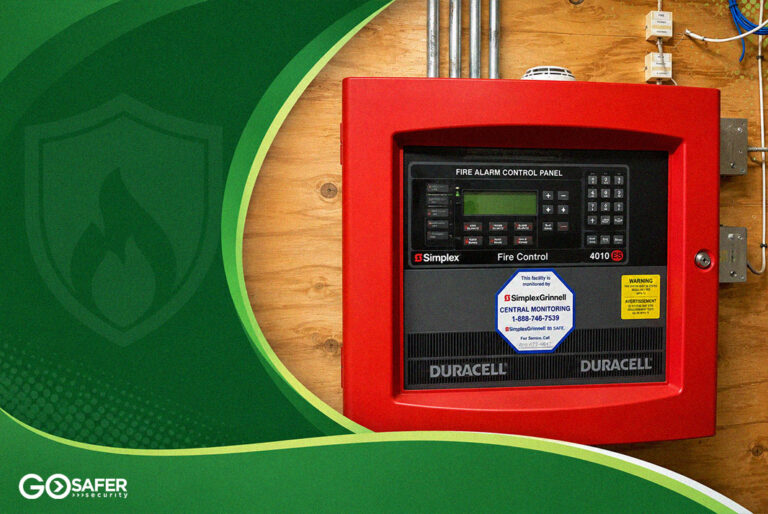
The alarm panel should read “Normal” with a green light. A yellow “Trouble” or “Supervisory” light means something is wrong. Inspectors dislike signals left unfixed for more than 24 hours. Don’t ignore that blinking light.
Give Smoke Detectors Room to Work
Smoke detectors need clean, open space around them. Remember this rule: keep shelves, decorations, and ceiling fans at least 36 inches away. Anything closer can block smoke from reaching the sensor.
Keep Pull Stations Easy to Reach
Pull stations must stay clear and visible. They must be mounted between 42 and 48 inches off the floor. This height keeps them within reach for everyone, including people who use wheelchairs.
Sprinklers and Extinguishers: Your First Line of Defense
Suppression systems sit quiet most of the year. But they must work instantly when needed.
The 18-Inch Rule for Sprinklers
This is one of the most common violations in Maryland warehouses and stores. Owners stack inventory too close to sprinkler heads. Keep at least 18 inches of open space below every sprinkler. Without that gap, water can’t spread properly, and the sprinkler can’t do its job.
Extinguisher Placement and Height
Fire extinguishers must be easy to find and reach.
- Travel distance: No one should walk more than 75 feet to find one.
- Mounting height: Units under 40 pounds should sit no higher than 60 inches off the floor.
- Visibility: Add a sign if an extinguisher is tucked around a corner.
Don’t Skip the Spare Head Box
Inspectors check the sprinkler room for a box of spare heads and a wrench. If a sprinkler head goes off during a fire, you need to replace it fast and restore the system right away.
Emergency Exits and Lighting
If the power fails and smoke fills a hallway, your exits must work without delay.
The 90-Minute Lighting Test
Emergency lights must stay lit for at least 90 minutes on battery power. Inspectors often push the test button on a random unit. If the light dims or fails, that’s a violation.
Check Exit Sign Expiration Dates
Every exit sign must stay lit. Some buildings use self-glowing “Tritium” signs. These have an expiration date printed on the side. They usually last 10 to 20 years before the glow fades below code.
Keep Hallways and Stairwells Clear
The path out of a building is called the “means of egress.” It must stay open at all times.
- No storage of any kind in stairwells, not even a single box
- A steady path width, usually 36 to 44 inches wide
- Exit doors that open in one motion, with no key or code needed
Electrical Safety
Electrical problems cause a large share of commercial fires. Most start as a quick fix that never got undone.
Extension Cords Aren’t Permanent Wiring
Extension cords are for short-term use only, usually 90 days or less. If a spot needs power long-term, call an electrician to install a real outlet.
Never Daisy-Chain Power Strips
Plugging one power strip into another builds up heat inside the wall. This can start a fire. It’s an automatic fail, and one of the easiest fixes before an inspection.
Give Electrical Panels Breathing Room
Code requires a clear space in front of every panel: 30 inches wide, 36 inches deep, and 78 inches high. That space lets someone cut power fast in an emergency, without moving boxes first.
Outside the Building: Access and Housekeeping
Fire safety starts before firefighters even reach your door.
- Fire lanes: Keep them clear at all times. A truck unloading “for one minute” still counts as a violation.
- Hydrants: Keep three feet of open space around every hydrant, even in winter snow.
- Mechanical rooms: Never store paper, boxes, or chemicals within three feet of a furnace or water heater.
- Trash areas: Keep dumpsters at least five feet from any door or window.
Fire Doors: A Small Mistake, A Big Risk
Fire-rated doors close and latch on their own. Propping one open with a wedge or a heavy object is one of the most common violations in Maryland. It’s also one of the most dangerous. A propped door lets smoke and fire spread far faster than they should.
Train Your Team First
A building is only as safe as the people inside it. Post a simple map in common areas showing the nearest exits. Pick a few staff members as floor wardens. Give them the job of checking their area during a drill or a real event. Choose one outdoor spot where everyone meets, so you can take a quick headcount.
Write your training down. Note the date, what you covered, and who attended. This shows the inspector, and your team, that safety comes first here.
Quick Reference: Check Frequency at a Glance
| Equipment | Check Frequency | Common Violation |
|---|---|---|
| Fire extinguishers | Monthly visual, yearly pro check | Blocked by furniture or trash |
| Sprinkler systems | Quarterly, full yearly service | Storage within 18 inches of heads |
| Fire alarm panel | Watched at all times | Unresolved “Trouble” signal |
| Emergency lighting | Monthly push-test | Fails the 90-minute test |
| Exit signs | Monthly visual check | Burnt-out bulbs or dead batteries |
Final Thoughts: Make Compliance a Habit
Passing a Maryland fire inspection isn’t about luck. It isn’t a once-a-year scramble, either. It comes down to small, steady habits: clear exits, current tags, tested alarms, and a team that knows the plan.
Think of it this way. The same habits that get you through an inspection also keep people safe on an ordinary Tuesday. Build fire safety into your regular maintenance routine, and both the inspection and the everyday risk take care of themselves.