Skip to content

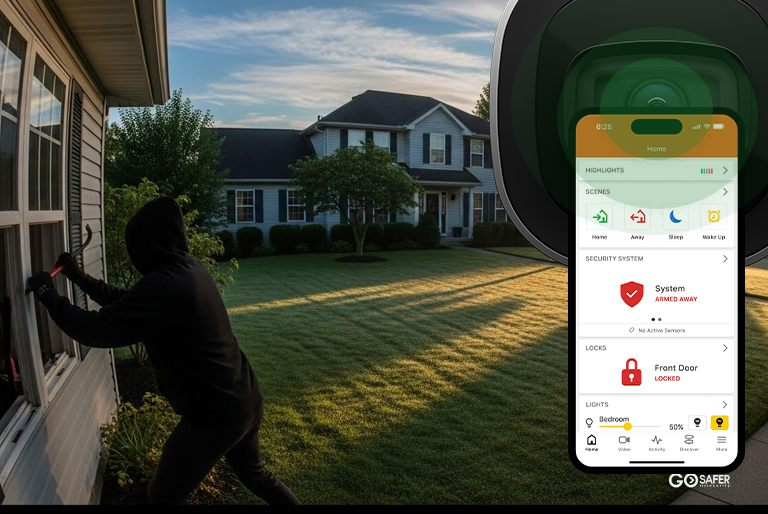
Have you ever wondered how break-ins actually happen in quiet residential neighborhoods? Most people assume burglaries only occur in “bad areas.” The truth? Home break-ins can happen anywhere: suburban streets, gated communities, and even well-lit neighborhoods.
Understanding how burglars break into homes is the first step toward preventing it. When you know the tactics, timing, and psychology behind residential burglaries, you stop being an easy target.
Table of Contents
ToggleWhy Home Break-Ins Are More Common Than You Think
Residential burglaries often occur because of opportunity, not from planning like how you see in movies. Many criminals don’t spend weeks targeting a house. They look for the easiest entry point.
Unlocked doors. Open windows. No security cameras.
It’s less about sophistication and more about access.
Understanding Criminal Behavior and Opportunity
Burglars typically look for low risk and high reward. If your house looks difficult to enter or likely to trigger an alarm system, they’ll usually move on.
Think of them like predators in the wild; they choose the weakest prey.
Most Common Entry Points Used by Burglars
Front Doors – A Surprisingly Common Target
It might seem obvious, but the front door is a favorite entry point for burglars. Many homeowners forget to lock it, and even when locked, weak door frames can be easily forced open. A simple door kick can splinter the frame in seconds. A strong, well-reinforced front door is your first line of defense.
Back Doors and Sliding Glass Doors
Back doors are more private and less visible. That makes them popular targets. They’re usually hidden from street view. Sliding glass doors can be lifted off their tracks or forced open if not reinforced.
First-Floor Windows
Unlatched windows are a favorite. They’re quick, quiet, and often overlooked.
Burglars may also break small side windows to unlock the door from the inside.
Garage Doors and Attached Garages
Garages often have weak security. Once inside, burglars can enter the house unnoticed. Many homeowners forget to lock the internal garage door.
How Burglars Choose Their Targets
Signs a Home Is Empty
An overflowing mailbox. Packages left on the porch. Lights off for days.
These are signals that no one’s home.
Vacation posts on social media? That’s an open invitation.
Poor Lighting and Visibility
Dark entryways reduce the risk of being seen. Motion-sensor lights significantly reduce this vulnerability.
Lack of Security Systems
Homes without visible cameras or alarm signage are far more attractive to burglars.
Even the perception of security can deter crime.
Social Media Oversharing
Posting “Off to Hawaii for a week!” in real time tells the wrong audience exactly what they need to know. Delay posting those vacation photos.
The Typical Timeline of a Break-In
Most residential break-ins happen in under 10 minutes. Some even take less than 5.
Contrary to popular belief, many burglaries occur during the day, typically between 10 AM and 3 PM when people are at work or school. Nighttime isn’t always the highest risk window.
Common Techniques Used During Residential Break-Ins
Forced Entry
This includes kicking doors, prying open windows, or using simple tools like crowbars.
Picking and Bumping Locks
Lock bumping is a way to quickly open regular pin tumbler locks with a key that has been cut in a special way. You can greatly lower this risk and improve your overall security by upgrading to high-security options like biometric smart locks, keypad entry systems, video doorbell access control, RFID, or smart card systems.
Door Kicking
Weak strike plates and short screws make doors easy targets.
Reinforced strike plates dramatically increase resistance.
Posing as Service Workers
Some criminals knock first. If no one answers, they proceed. Others pose as delivery personnel to gain information.
Psychological Tactics Criminals Use
Testing Neighborhood Awareness
Burglars may walk or drive slowly through neighborhoods to observe patterns. They look for attentive neighbors versus distracted ones.
Blending In with the Environment
Wearing neutral clothing and carrying tool bags makes them appear legitimate.
Most people won’t question someone who looks like they belong.
High-Risk Areas in Residential Neighborhoods
Corner Houses – Corner homes offer multiple escape routes and reduced neighbor visibility.
Homes Near Highways or Main Roads – Quick access to major roads means faster getaways.
Properties with Tall Fences or Hedges – While they provide privacy, they also give burglars cover.
What Burglars Usually Steal
Cash and Jewelry – Small, valuable, and easy to carry.
Electronics – Laptops, tablets, and smartphones are quick targets.
Personal Documents – Identity theft is often a secondary crime after a burglary.
How to Prevent Residential Break-Ins
Reinforcing Entry Points
Install solid core doors. Upgrade strike plates. Secure windows.
Small improvements make a huge difference.
Installing a Home Security System
A professionally monitored home security system significantly reduces risk.
Visible cameras and alarm signage act as deterrents.
Smart Home Technology
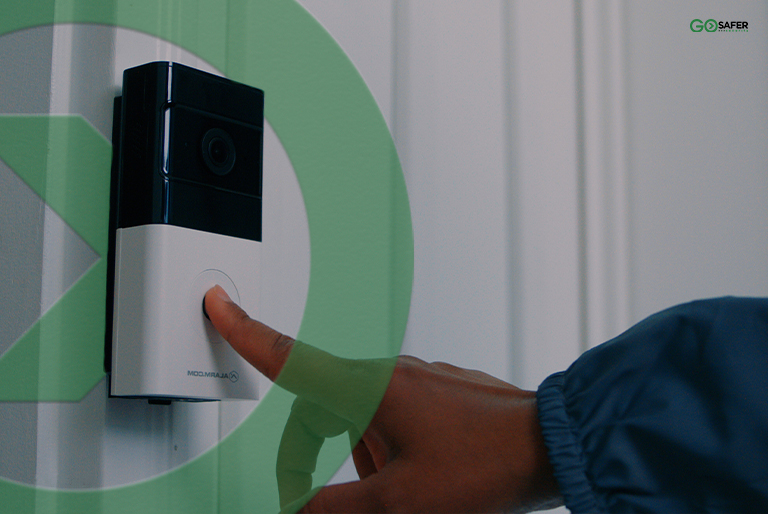
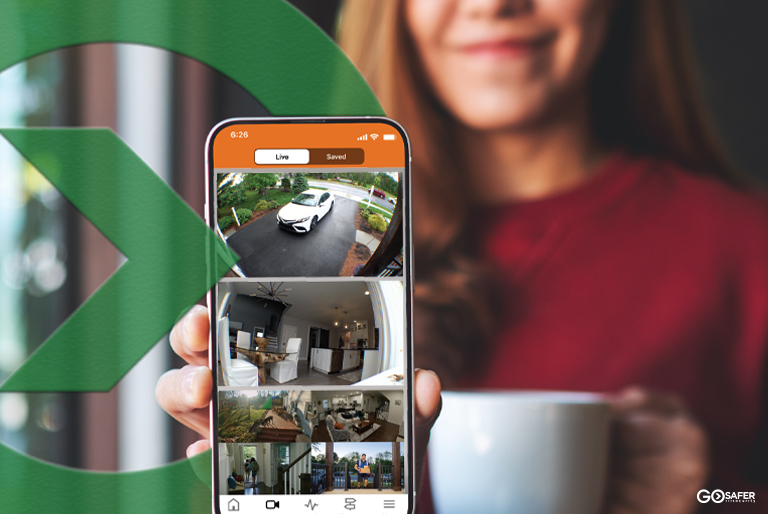
Smart locks, doorbell cameras, and remote monitoring allow real-time control.
You can check your property from anywhere.
Neighborhood Watch Programs
Community awareness reduces crime rates dramatically.
When neighbors look out for each other, criminals take notice.
The Role of Modern Home Security Systems
Surveillance Cameras – Visible cameras discourage attempts before they start.
Motion Sensors – Motion detection triggers alerts instantly.
Alarm Monitoring – Professional monitoring ensures authorities are contacted immediately.
The Cost of a Home Break-In
Financial Loss
The average burglary can cost thousands in stolen property and repairs.
Emotional Impact
The emotional toll is often worse than the financial loss. Victims frequently report anxiety and sleep disturbances long after the incident.
Final Thoughts on Staying One Step Ahead
Residential break-ins don’t usually happen because a house is “unlucky.” They happen because a home appears accessible.
The good news? Most burglaries are preventable.
By strengthening entry points, improving lighting, installing a home security system, and staying aware, you dramatically reduce your risk.
Security isn’t about fear; it’s about preparation.
Conclusion
Understanding how break-ins happen in residential neighborhoods empowers you to act. When you recognize common burglary methods, target selection behaviors, and entry vulnerabilities, you transform your home from an easy opportunity into a hardened target.
And criminals? They prefer easy.
Make your home the difficult one.