Skip to content

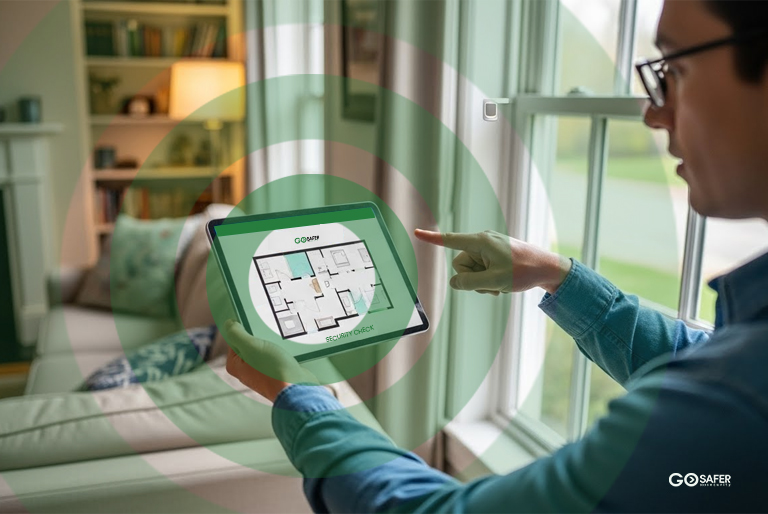
Home security doesn’t have to feel overwhelming or expensive. In fact, one of the smartest things you can do as a homeowner is learn how to assess your own security risks. Think of it like a routine health check, but for your house.
A DIY home security risk assessment gives you control. You’re not guessing. You’re observing, questioning, and improving. And the best part? You don’t need a professional badge or a security background to do it right.
Table of Contents
ToggleUnderstanding What a Home Security Risk Assessment Is
What “Risk” Really Means in Home Security
Risk is a combination of three things: threats, vulnerabilities, and impact. A threat could be a break-in. A vulnerability might be a weak door lock. The impact? Stolen valuables or personal safety concerns.
Threats vs. Vulnerabilities vs. Consequences
You’re not just asking, “Can something happen?” You’re asking, “How likely is it, and what happens if it does?” That mindset changes everything.
Preparing for Your Home Security Assessment
Tools and Materials You’ll Need – You don’t need fancy gear. A notebook, your phone’s camera, and a checklist mentality are more than enough.
Creating a Security Mindset Before You Start – Pretend you’re seeing your home for the first time. Better yet, look at it through the eyes of someone with bad intentions. Uncomfortable? Yes. Effective? Absolutely.
Step 1 – Evaluating Your Neighborhood and Surroundings
Crime Patterns and Environmental Factors
Start outside your property. Look at street lighting, foot traffic, and visibility. Quiet streets aren’t always safer; they’re sometimes just less observed.
Lighting, Visibility, and Natural Surveillance
Criminals hate being seen. Trim hedges, improve sightlines, and use lighting strategically to remove hiding spots.
Step 2 – Inspecting Entry Points
Doors, Windows, and Garages – Most break-ins happen through the front door or a ground-level window. Check how solid they really are.
Locks, Frames, and Hinges – A strong lock means nothing if the door frame is weak. Reinforcement matters more than people think.
Step 3 – Assessing Outdoor Security
Yards, Fences, and Landscaping Risks – Overgrown landscaping is like a welcome mat for intruders. Clean, visible yards send the opposite message.
Outdoor Lighting and Motion Detection – Motion lights do more than just provide illumination; they create an element of surprise. This surprise serves as a strong deterrent.
Step 4 – Reviewing Indoor Security Measures
Alarm Systems and Sensors – Do you actually use your alarm system? Many people don’t. An unused system is just decoration.
Camera Placement and Coverage – Cameras should cover entry points, not random walls. Angle and placement matter more than quantity.
Following proper setup principles outlined in home and business security installation best practices can dramatically improve effectiveness.
Step 5 – Checking Technology and Smart Devices
Smart Locks, Cameras, and Doorbells – Smart devices add convenience but only if they’re configured correctly.
Network and Wi-Fi Security Basics – An unsecured Wi-Fi network is an open door. Strong passwords and updates are non-negotiable.
Step 6 – Identifying Daily Habits That Increase Risk
Routines That Make Homes Predictable – Leaving and returning at the same times every day makes patterns easy to spot.
Social Media and Oversharing – Posting vacation photos in real time? That’s basically an announcement that no one’s home.
Step 7 – Assessing Emergency Preparedness
Fire, Medical, and Intrusion Scenarios – Security isn’t just about intruders. Fires, medical emergencies, and power outages matter too.
Family Communication Plans – Everyone in the house should know what to do without panicking.
Step 8 – Prioritizing Risks and Weak Points
High-Risk vs. Low-Risk Areas – Not all risks deserve equal attention. Focus first on what’s easiest to exploit.
Creating a Simple Risk Matrix – Rank issues by likelihood and impact. It keeps decision-making logical, not emotional.
Step 9 – Improving Security Without Major Costs
Low-Budget, High-Impact Fixes – Better locks, improved lighting, and habit changes often cost less than you think.
Behavioral Changes That Matter – Locking doors consistently beats buying new gadgets every time.
Step 10 – Deciding Between DIY and Professional Help
When DIY Is Enough – If your home has standard risks and you’re comfortable with technology, DIY can be very effective.
When Expert Support Makes Sense – Complex layouts or advanced systems may benefit from guidance. Understanding the difference between approaches is easier after reading about DIY versus professional security system installation.
Final Thoughts
Conducting a home security risk assessment on your own isn’t about taking shortcuts; it’s about increasing your awareness. By clearly identifying your home’s strengths, weaknesses, and habits, you enhance your safety more than you might realize. Remember, security begins with attention, not just alarms.