Skip to content

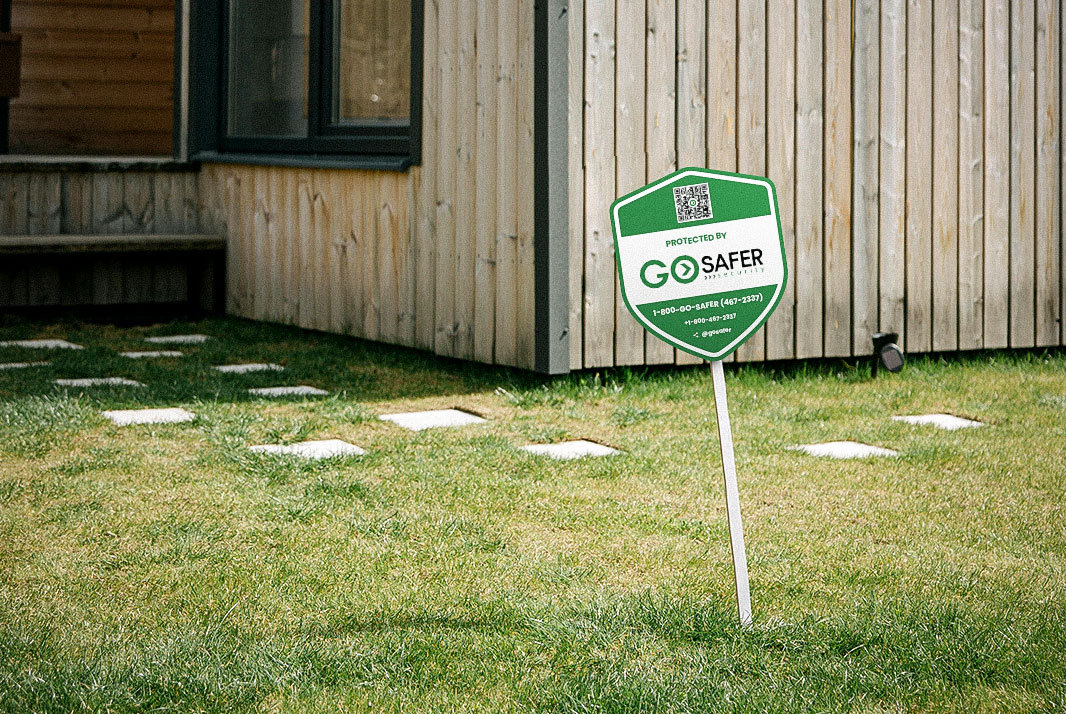
Homeowners across Maryland often wonder whether those small alarm-system signs planted in the garden or placed on the porch actually make a difference. They’re easy to display, inexpensive, and commonly included when you purchase a security system. But do they really help stop burglars, or are they simply decorative warnings with little real value?
This guide breaks down the truth about security yard signs based on homeowner behavior, burglar psychology, and practical crime-prevention strategies. Whether you’re in Baltimore, Rockville, Silver Spring, Columbia, or anywhere in Maryland, understanding how these signs work can help you make smarter decisions about protecting your home.
Table of Contents
ToggleUnderstanding the Purpose of Security Yard Signs
What Security Signs Are Meant to Do
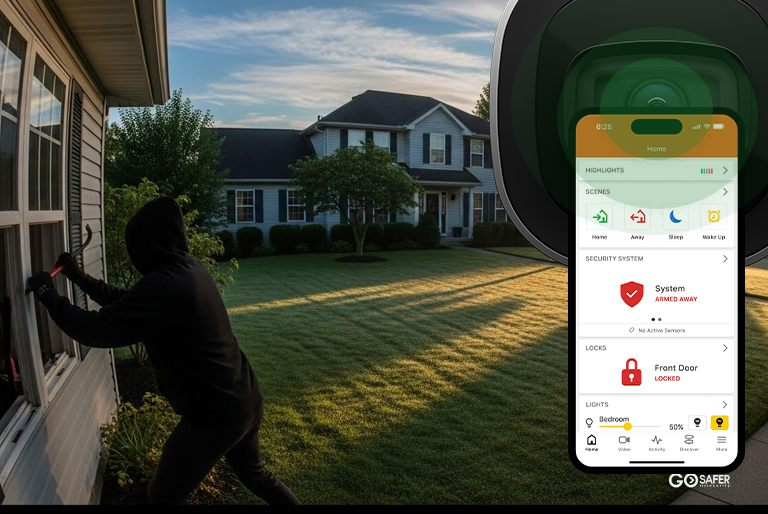
Security yard signs serve as visual deterrents. Their primary purpose is to alert potential intruders that a property is protected by an alarm system, cameras, or professional monitoring. Even before burglars step foot onto a property, a visible sign signals risk.
Why Burglars Pay Attention to Visual Cues
Criminals don’t want to get caught. They look for easy, low-risk opportunities. Things like cameras, alarm stickers, and yard signs tell a burglar they should reconsider choosing your home. Even if they’re only outside for a few seconds, these cues influence their decision.
Do Yard Signs Actually Prevent Break-Ins?
What Studies Say About Deterrence
Research and community surveys show that burglars are less likely to break into homes with visible signs of an active security system. While signs alone won’t stop determined criminals, they discourage opportunistic thieves.
The Psychology Behind Criminal Decision-Making
A burglar scans for:
- Entry difficulty
- Likelihood of residents being home
- Presence of cameras or alarms
- Visibility of neighbors
A security sign increases the perceived risk, pushing criminals to choose a different home.
Are Fake Signs as Effective as Real Ones?
Fake signs may help in some cases, but experienced burglars can often tell the difference. Companies with outdated brand logos, flimsy plastic signs, or mismatched stickers reveal they’re not backed by a real system.
Factors That Influence Effectiveness
Visibility and Placement — A sign hidden behind bushes won’t deter anyone. Ideal placement includes:
- Front yard walkway
- Near the driveway
- By main entrances
Neighborhood Crime Rate — High-crime areas often attract more experienced burglars who know how to identify fake systems.
Whether You Have a Real Security System Installed — Pairing signs with cameras, alarms, or smart locks makes your home far more credible and much harder to target.
Best Practices for Using Security Yard Signs
Proper Placement Around the Property
Use signs and stickers around:
- Doors
- Windows
- Garages
- Side entrances
This shows widespread protection.
Updating Signs for Relevance and Condition — Faded or cracked signs signal neglect. Replace signs every few years.
Combining Signs With Other Security Measures — Layering protection is key. Start with easy home security tips that strengthen your home’s defense for a stronger foundation.
Why Security Signs Are Only Part of a Larger Strategy
True home protection requires multiple layers: locks, cameras, lighting, alarms, and smart access control. Signs simply make intruders hesitate, but the rest of your system keeps your home secure.
Combining Signs With Access Control Solutions
Using Modern Access Control for Added Protection — Smart doorbells, keypad locks, and app-controlled systems improve entry-point security. Explore the top 10 home access control solutions for stronger entry-point security.
Yard Signs and Alarm Systems: What Works Best
Real Alarm Systems vs. Fake Deterrents — A genuine alarm setup makes your sign believable and effective. Compare your options with this DIY home alarm systems vs monitored alarm services comparison.
Local Factors: Why Location Matters
Crime patterns vary by area. Homeowners in Maryland face specific break-in trends and environmental conditions. Learn more with this guide on home security tips for Maryland homeowners looking to reduce risk.
What Burglars Look for Before Choosing a Target
Visible Weak Points — Unlocked windows, old locks, and weak door frames attract burglars.
Lack of Lighting or Surveillance — Dark homes with no cameras or motion sensors are easier targets.
Signs of No One Being Home — Uncollected mail, dark houses, and no vehicles parked outside imply an empty home.
Benefits of Using Security Yard Signs
Low-Cost Deterrent — Signs are affordable and instantly add a layer of protection.
Immediate Psychological Impact — Even if you don’t have a full system, many intruders won’t risk it.
Complements Existing Security Systems — Signs enhance credibility and increase the effectiveness of alarms and cameras.
When Security Yard Signs Are Not Enough
Homes Without Cameras or Alarms — A sign won’t help if your home has clear vulnerabilities.
Outdated Signs That Burglars Recognize — Old branding or faded signs reduce trustworthiness.
High-Crime Areas Where Stronger Measures Are Needed — These neighborhoods require multiple layers of security, not just signs.
Best Homeowner Practices for Maximum Protection
Layering Security Tools — Combine outdoor lighting, reinforced locks, cameras, and alarms.
Regular Maintenance of Security Systems — Check batteries, update firmware, clean camera lenses, and test alarms.
Community Awareness — Get involved in neighborhood watch programs and share concerns with neighbors.
Conclusion
Security yard signs do help prevent break-ins, just not on their own. They’re a smart, inexpensive way to signal that your home is protected, but the real power comes when they’re part of a layered home security strategy. When combined with cameras, alarms, access control systems, and good homeowner habits, yard signs become an essential piece of your overall defense.
If you want to create a safer home, invest in strong physical security, stay informed about local crime trends, and use visible deterrents wisely. A small sign in your yard could be the first thing that makes a burglar think twice.