Skip to content

Many homeowners don’t realize how important it is to keep records of their alarm systems, cameras, monitoring services, and installation details until they actually need them. Having everything documented ahead of time can make the insurance claims process much smoother, helping you avoid delays, disputes, or unnecessary stress. In this guide, we’ll walk you through simple, practical steps to document your home security system so you’re prepared and protected, no matter what comes your way.
A lot of homeowners don’t realize how important it is to keep track of their alarm systems, cameras, monitoring services, and installation details until they need them. If you document everything ahead of time, the process of filing an insurance claim will go much more smoothly. Helping you avoid delays, disputes, or unnecessary stress. In this guide, we’ll walk you through simple, practical steps to document your home security system so you’re prepared and protected, no matter what comes your way.
Table of Contents
ToggleWhy Proper Security Documentation Matters
The Connection Between Insurance and Proof
Insurance companies don’t just rely on trust. They depend on paperwork. They’ll want proof that your security measures were in place before the event, not added after it happened, when you file a claim. Keeping good records helps you prove your claim and set timelines.
Common Reasons Claims Get Delayed or Denied
Missing receipts, unclear photos, outdated records; these small gaps can lead to big delays. In the worst cases, claims get denied because the insurer can’t confirm what was installed or when. Documentation removes doubt and speeds things up when time matters most.
Understanding What Insurance Companies Look For
Proof of Ownership vs Proof of Protection
Ownership proves you had the equipment. Protection proves it was installed and functional. Insurers often want both. A receipt alone isn’t enough if they can’t see where or how the device was used.
How Documentation Strengthens Your Claim
Clear records show that you took reasonable steps to protect your property. That can positively influence claim outcomes, especially in cases involving theft, vandalism, or disputed liability.
Core Components of a Home Security Setup
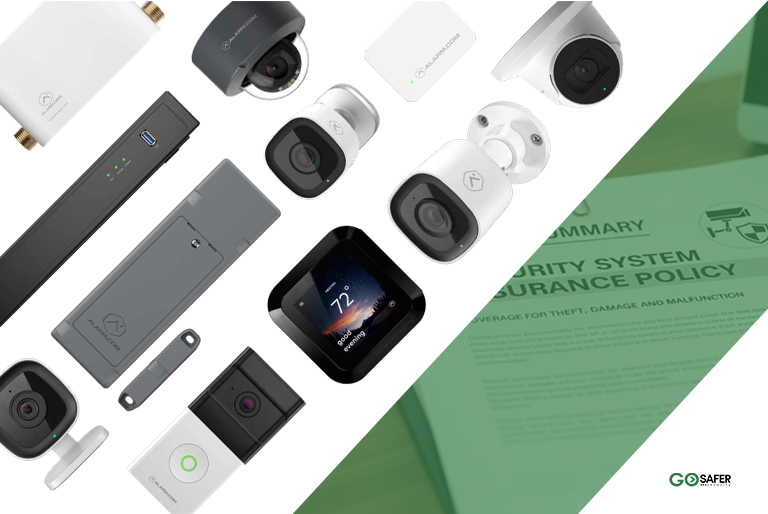
Alarm Systems – This includes control panels, sensors, sirens, and keypads. Each component matters, even if it seems minor.
Cameras and Surveillance Devices – Indoor, outdoor, and doorbell cameras document them all. Placement is just as important as the device itself.
Smart Locks and Access Controls – Keyless entry systems, biometric locks, and smart deadbolts count as security devices and should be documented clearly.
Monitoring Services and Subscriptions – Professional monitoring adds another layer of protection. Contracts and service confirmations help prove active coverage.
Step-by-Step Guide to Documenting Your Home Security
Creating a Centralized Security File
Start with one folder, digital or physical, dedicated solely to security documentation. Mixing these records with random household paperwork makes them harder to find when you’re under stress.
Listing All Devices and Their Locations
Create a simple inventory list. Include what the device is, where it’s installed, and what it does.
Serial Numbers, Models, and Purchase Dates
These details may feel tedious, but they’re gold during claims. They help insurers verify exact products and replacement values.
Using Photos and Videos as Visual Proof
What to Photograph
Take wide shots showing placement and close-ups showing the device itself. Capture mounting points, wiring, and surrounding areas.
Best Practices for Video Walkthroughs
A slow walk-through video of your home, explaining each security feature, adds context photos can’t. It’s like giving your future self a guided tour.
Keeping Receipts, Contracts, and Invoices
Digital vs Physical Records
Digital copies are easier to back up and share. Scan physical receipts and store them securely.
What to Do If Receipts Are Missing
If you’ve misplaced a receipt, don’t worry: bank statements, order confirmations, or email records can often serve as reliable alternatives. Your documentation doesn’t have to be perfect; it just needs to be clear, accurate, and credible.
Documenting Professional Installation and Monitoring
Installation Certificates
If a professional installed your system, keep certificates, work orders, or completion emails. These show proper setup and compliance.
Monitoring Agreements and Logs
Contracts and monthly statements prove your system wasn’t just decorative; it was actively monitored.
Updating Documentation After Upgrades or Changes
Why Old Records Can Hurt Your Claim
Outdated documentation can create confusion. If your records say you had two cameras but you upgraded to six, inconsistencies may raise questions.
Simple Habits to Stay Updated
Any time you add, remove, or move a device, update your file. Treat it like updating your phone; small changes, done often.
Secure Storage for Security Documentation
Cloud Storage Options
Cloud storage protects your records even if physical copies are destroyed in a fire or flood.
Offline Backups and Redundancy
Keep at least one offline copy, such as a USB drive stored outside your home. Redundancy equals resilience.
How Often Should You Review Your Security Records?
Annual Reviews – Once a year is usually enough. Pair it with another annual task, like a home inventory review.
Event-Based Updates – Moved? Renovated? Upgraded your system? That’s your cue to update documentation.
Common Documentation Mistakes to Avoid
Incomplete Records – Half-done documentation is better than nothing but complete records are best. Don’t stop at receipts alone.
Overlooking Small Devices – Sensors, window contacts, and motion detectors matter too. Insurers look at the system as a whole.
How Documentation Helps Beyond Insurance
Police Reports and Recovery – Clear records help law enforcement understand what was stolen or damaged, improving recovery chances.
Home Value and Peace of Mind – Documented security systems can support resale value and give you confidence that you’re prepared for the unexpected.
Preparing for the Worst Without Stress
Turning Documentation into a Routine – Make it boring. Routine documentation removes emotion from emergencies.
Peace of Mind Through Preparation – Knowing everything is documented lets you focus on recovery, not paperwork.
Final Checklist Before Filing a Claim
What to Double-Check
- Device list
- Photos and videos
- Receipts and contracts
- Installation and monitoring proof
How to Submit Efficiently
Follow your insurer’s process, submit everything at once, and keep copies of all correspondence.
Conclusion
Documenting your home security setup isn’t about expecting disaster; it’s about being ready if it happens. Like labeling boxes before a move, it feels unnecessary until it suddenly isn’t. With clear records, photos, and regular updates, you turn a stressful insurance claim into a manageable process. A little preparation today can save weeks of frustration tomorrow.