Skip to content

When people think about security systems, they usually imagine break-ins, forced doors, shattered windows, and alarms blaring in the middle of the night. That picture makes sense, but it’s only part of the story.
Some of the most costly and disruptive damage doesn’t come from criminals at all. It comes from everyday risks: water slowly leaking beneath a washing machine or smoke building up behind a wall long before flames are visible.
That’s where flood and smoke sensors come in. They don’t replace burglar protection; they extend it, helping protect your home or business from the dangers you can’t always see coming.
Table of Contents
ToggleWhy Modern Security Goes Beyond Break-Ins
Water leaks and fires don’t announce themselves loudly at first. A cracked pipe can drip for days. An overloaded outlet can heat up for weeks. These issues usually start small, then spiral.
What makes them dangerous is timing. They often happen when nobody is around.
Why burglar alarms alone are not enough
A burglar alarm is reactive to human intrusion. Flood and smoke sensors are reactive to environmental danger. Together, they cover a much wider range of real-world threats.
Security today isn’t just about stopping someone from entering. It’s about protecting what’s already inside.
What Are Flood Sensors and How Do They Work
Basic components of flood sensors
Flood sensors are simple by design. Most use metal probes or moisture-sensitive pads. When water touches them, the circuit completes, and the sensor sends an alert.
There’s no guesswork. Water where it shouldn’t be equals a warning.
Where flood sensors are usually installed
Common locations include:
- Under sinks
- Near water heaters
- Behind washing machines
- In basements
High-risk areas people often overlook
People tend to ignore dishwashers, HVAC drain lines, and sump pumps, even though they’re responsible for some of the worst surprise damage.
What Are Smoke Sensors and How They Work
Smoke vs. Heat Detection
Smoke sensors detect particles in the air. Heat sensors respond to rapid temperature changes. Some systems use both for better accuracy.
Each has strengths. Smoke sensors catch issues early. Heat sensors help in dusty or steamy environments.
How Smoke Sensors Trigger Alerts
Once smoke crosses a set threshold, the sensor sends an immediate alert. In monitored systems, this alert doesn’t stop at a loud beep.
Smart Smoke Sensors vs. Traditional Alarms
Traditional alarms scream locally. Smart sensors notify you, your monitoring service, and sometimes emergency responders, even if you’re miles away.
The Real Cost of Water Damage
Small Leaks, Big Consequences
A slow leak can rot floors, warp cabinets, and invite mold. Insurance claims for water damage are among the most common and expensive.
Business Downtime and Property Loss
For businesses, water damage doesn’t just destroy property. It shuts down operations. One incident can wipe out equipment, documents, and inventory in minutes.
Fire Risks That Often Go Unnoticed
Electrical Faults and Appliance Failures
Old wiring, overloaded outlets, and malfunctioning appliances are frequent culprits. Fires don’t always start with flames. They start with heat.
After-hours Fire Risks in Commercial Spaces
Many commercial fires occur at night. No staff. No witnesses. No quick response without automated alerts.
How Flood and Smoke Sensors Integrate with Security Systems
Central Monitoring and Alerts
When integrated, these sensors report to the same control panel as your alarm system. One dashboard. One response chain.
Automation and Smart Responses
Some systems can:
- Shut off water valves automatically
- Turn off HVAC systems
- Trigger lighting and cameras
These actions limit damage before humans even get involved.
Step-by-Step: What Happens When a Flood Sensor Is Triggered
- Detection and Alert Process – The moment water touches the sensor, an alert is sent. No delay. No confirmation needed.
- Monitoring Center Response – If monitored, the center contacts you immediately. Depending on setup, they may also dispatch maintenance or emergency services.
Step-by-Step: What Happens When a Smoke Sensor Is Triggered
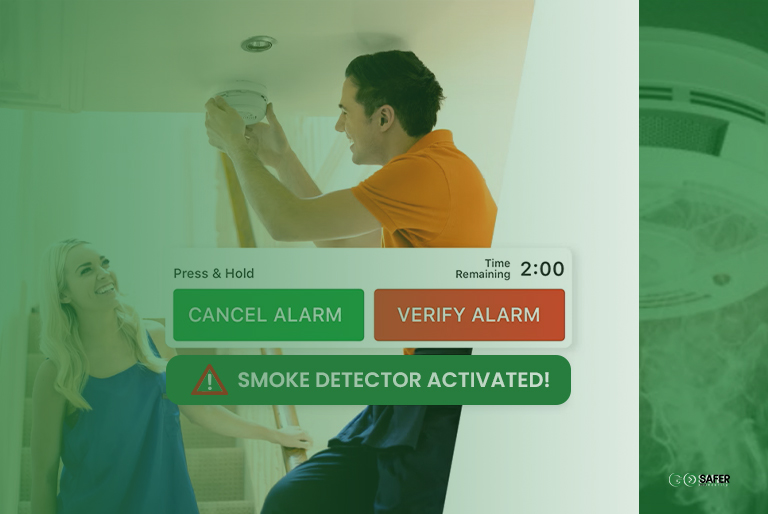
- Immediate Alerts and Escalation – Smoke alerts are treated as high priority. Notifications go out fast.
- Emergency Response Coordination – If the alert isn’t canceled or verified as false, emergency responders are contacted according to local protocols.
Residential Use Cases: Everyday Scenarios
- Kitchens, Basements, and Laundry Rooms — These rooms combine water, electricity, and heat. It’s a risky mix.
- Peace of Mind When No One is Home — Vacation leaks are infamous. A flood sensor can mean the difference between a small cleanup and a full renovation.
Commercial and Industrial Use Cases
- Offices, Warehouses, and Retail Spaces — From server rooms to stockrooms, flood and smoke sensors protect assets that burglar alarms dont.
- Protecting Equipment and Inventory — Electronics and inventory don’t need flames to be destroyed. Water alone can wipe out thousands in value.
Smart Notifications and Remote Monitoring
- Mobile Alerts Explained — Alerts show exactly which sensor was triggered and where. No guessing. No panic scrolling.
- Acting fast from anywhere — Whether you’re across town or across the country, you can respond in minutes instead of hours.
Reducing False Alarms Without Sacrificing Safety
- Proper Placement Matters — Sensors placed too close to steam or splashing water can cause false alerts. Placement is strategy, not guesswork.
- Regular Testing and Maintenance — Testing confirms sensors respond correctly. Maintenance keeps alerts meaningful.
Choosing the Right Flood and Smoke Sensors
Key features to look for
- Reliable connectivity
- Long battery life
- Clear alert history
- Easy integration
Wired vs. Wireless Sensors
Wireless sensors are flexible and easy to install. Wired sensors can be ideal for permanent, high-risk locations.
Installation Best Practices
- Professional vs. DIY Setup — DIY works for simple setups. Professional installation helps with coverage planning and system tuning.
- Common Installation Mistakes — Poor placement and skipped testing are the most common issues. Both are avoidable.
Long-Term Maintenance and System Health
- Battery Checks and Replacements — Low batteries are the silent killer of smart sensors. Scheduled checks prevent surprises.
- Annual System Reviews — An annual review catches outdated hardware, firmware issues, and placement problems before they matter.
Conclusion
Flood and smoke sensors don’t make headlines like burglar alarms, but they quietly prevent some of the most devastating losses people face. Water and fire don’t need intent to cause damage. They just need time. By adding these sensors to a security system, you shorten that time window and take control back.