Skip to content

Running a business today isn’t just about productivity and profits; it’s also about security. Who gets in, when they get in, and how access is controlled can make or break your operational safety. That’s where modern access control systems step in. Among the most popular choices are key card systems and keyless entry systems.
If you’re weighing between key card and keyless entry systems for your business, you’re not alone. Business owners everywhere are asking the same question: Which option is more secure, scalable, and future-proof?
Table of Contents
ToggleWhat Are Key Card Entry Systems?
Key card entry systems have been around for decades, and for good reason. They’re reliable, familiar, and easy to implement.
How Key Card Systems Work
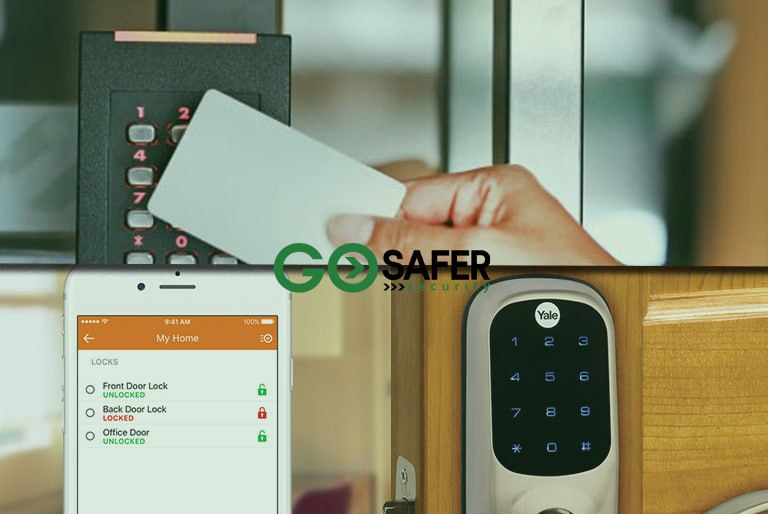
A key card system employs a physical card that contains a magnetic stripe, RFID, or NFC technology. Employees can swipe or tap the card on a reader, which checks their credentials and grants access. You can think of it as a hotel room card, but it’s more advanced and secure.
Common Types of Key Cards
- Magnetic stripe cards
- RFID proximity cards
- Smart cards with encrypted chips
These systems are widely used in offices, hospitals, and commercial buildings due to their simplicity.
What Are Keyless Entry Systems?
Keyless entry systems remove physical cards altogether. No card, no key, just seamless digital access.
How Keyless Access Systems Function
Instead of cards, keyless systems rely on:
- PIN codes
- Mobile apps
Biometrics (fingerprint or facial recognition)
Access is authenticated digitally, often through cloud-based platforms.
Popular Types of Keyless Entry
- Mobile credential systems
- Biometric scanners
- PIN-based keypads
These systems are gaining traction as businesses embrace digital transformation.
Key Card vs. Keyless Entry Systems: Core Differences
At a glance, both systems do the same job: control access. But the way they do it feels worlds apart.
Technology Comparison
Key cards rely on physical tokens. Keyless systems rely on data. One is tangible, the other virtual. It’s like comparing cash to digital wallets; both work, but one feels more modern.
User Experience
Key cards are easy but can be lost. Keyless systems feel convenient but may require initial user training. Employees often prefer mobile-based access because it’s already in their pocket.
Security Comparison for Businesses
Security is the heart of the key card vs. keyless entry systems debate.
Data Protection and Encryption
Keyless systems often use advanced encryption and real-time monitoring. Key card systems are secure but can be vulnerable if cards are cloned or stolen.
Risk of Theft or Duplication
Lost key cards are a common issue. Keyless credentials can be revoked instantly, reducing risk. From a security standpoint, keyless systems usually have the edge.
Cost Analysis: Initial and Long-Term Expenses
Budget matters, especially for small and mid-sized businesses.
Installation Costs
Key card systems typically cost less upfront. Hardware is simple, and installation is straightforward. Keyless systems may require higher initial investment due to software and infrastructure.
Maintenance and Upgrade Costs
Replacing lost cards adds up over time. Keyless systems reduce physical replacements but may include subscription or software fees.
Scalability and Flexibility for Growing Businesses
As businesses grow, access needs change. Keyless systems scale effortlessly; new users can be added in seconds. Key card systems require printing and distributing new cards, which slows things down.
Ease of Management for Business Owners
Managing access shouldn’t feel like herding cats.
Keyless systems offer centralized dashboards, real-time access logs, and remote control. Key card systems may require on-site updates and manual tracking.
Compliance and Audit Requirements
Industries with strict compliance rules benefit from detailed access logs. Keyless systems automatically generate reports, making audits smoother. Key card systems can do this too, but often with limitations.
Industry-Specific Use Cases
Offices and Corporate Buildings – Key cards remain popular for offices with stable staff. However, tech-forward companies are shifting to mobile credentials.
Retail and Commercial Spaces – Retail environments benefit from keyless systems due to frequent staff changes and extended hours.
Property Management and Hospitality – Hotels and property managers increasingly prefer keyless entry for convenience, security, and guest satisfaction.
Employee Experience and Convenience
Let’s be honest, employees hate friction. Forgetting a key card feels like forgetting your wallet. Keyless entry feels natural, especially for mobile-first teams.
Integration with Smart Security Systems
Modern businesses want everything connected. Keyless systems integrate seamlessly with CCTV, alarms, and smart locks. Key card systems can integrate too, but often with more limitations.
Pros and Cons Summary Table
| Feature | Key Card Systems | Keyless Entry Systems |
| Ease of Use | Simple | Very Convenient |
| Security | Moderate | High |
| Cost | Lower upfront | Higher upfront |
| Scalability | Limited | Excellent |
| Management | Manual | Centralized |
How to Choose the Best Access System for Your Business
Ask yourself:
- How often do employees change?
- Do you need remote access management?
- Is scalability a priority?
For traditional setups, key cards work fine. For modern, growing businesses, keyless entry often wins.
Future Trends in Business Access Control
The future is digital. Mobile credentials, biometrics, and AI-driven security are shaping access control. Businesses investing now in keyless technology are staying ahead of the curve.
Conclusion
Choosing between key card vs. keyless entry systems isn’t about right or wrong; it’s about fit. Key card systems offer reliability and affordability. Keyless entry systems offer flexibility, security, and scalability. The best option depends on your business size, budget, and future goals. One thing’s certain: modern access control is no longer optional; it’s essential.