Skip to content


Buying a security system feels like buying peace of mind. Cameras are mounted, sensors are armed, and suddenly you feel protected. But here’s the uncomfortable truth: that protection can fall apart quickly if you don’t understand your security system warranty.
A warranty isn’t just paperwork; it’s the safety net beneath your safety net. If you don’t know what’s covered, a malfunction could lead to surprise cost and annoyance.
Table of Contents
ToggleWhy Security System Warranties Matter More Than You Think
The Hidden Risks of Ignoring Warranty Details
Most people assume warranties cover “anything that goes wrong.” That assumption can be costly. When a camera fails, a sensor stops responding, or a control panel glitches, the warranty determines whether you pay or don’t.
Peace of Mind vs False Confidence
A warranty should reduce stress, not create surprises. Understanding it upfront prevents the false confidence that everything is covered when it’s not.
What Is a Security System Warranty?
Manufacturer Warranty vs Installer Warranty
Manufacturer warranties usually cover defects in the equipment itself. Installer warranties often cover workmanship, such as wiring or mounting errors. They are not the same, and one doesn’t replace the other.
How Warranties Differ From Service Contracts
A warranty addresses defects. A service contract covers maintenance, monitoring issues, and ongoing support. Confusing the two is a common mistake.
What Security System Warranties Typically Cover
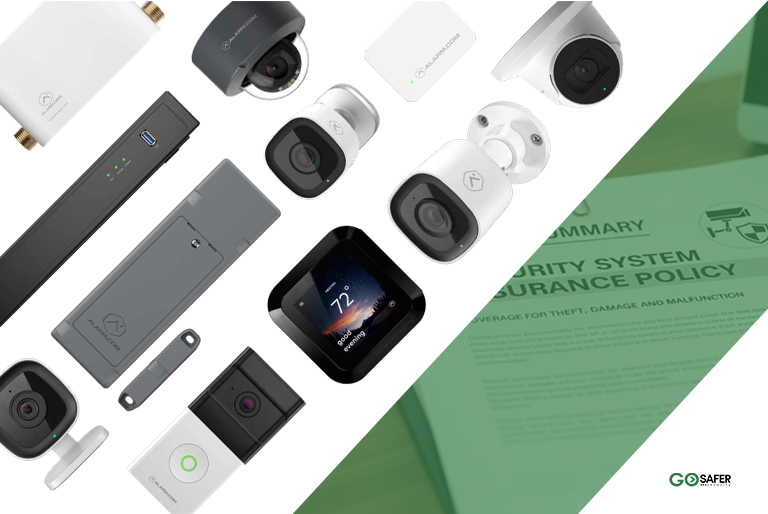
Hardware Defects and Failures – This usually includes cameras, sensors, control panels, and keypads that fail under normal use within the warranty period.
Software and Firmware-Related Coverage – Some warranties include limited coverage for software malfunctions, but updates are often required to stay eligible.
Replacement vs Repair Clauses – Some warranties replace defective parts. Others repair them. Knowing which applies saves time and frustration.
Common Exclusions You Should Know About
Wear and Tear Limitations – Normal aging of components is often excluded. If a battery degrades over time, that’s usually on you.
Environmental and Accidental Damage – Floods, lightning, power surges, pets, and accidental damage are frequently excluded unless additional protection is purchased.
User Error and Improper Installation – DIY mistakes, skipped steps, or unauthorized changes often void coverage instantly.
Coverage Timeframes Explained
Standard Warranty Durations – Most security systems come with one- to three-year warranties. Some components may have shorter coverage windows.
Extended Warranties and Add-Ons – Extended warranties can be valuable, but only if the coverage meaningfully expands beyond the standard terms.
Smart Home Security Systems and Warranty Complexity
Integrated Devices and Shared Responsibility
Modern systems combine cameras, locks, alarms, and mobile apps. Warranty coverage is often split across multiple manufacturers, which makes filing claims more challenging.
Related read: Overview of Smart Home Security Systems
Compatibility and Update-Related Exclusions
If you skip updates or connect unsupported devices, warranties may no longer apply even if the hardware itself fails.
How Emerging Security Technologies Impact Warranty Terms
AI-Driven Systems and Evolving Risks
Facial recognition, automation, and AI analytics are powerful, but warranties often lag behind innovation.
Rapid Innovation vs Warranty Limitations
Advances in AI-driven security features often outpace warranty terms, leaving gaps in coverage as systems evolve faster than manufacturer protections.
Cost vs Coverage: Are Warranties Worth It?
Comparing Warranty Cost to Repair Expenses
Replacing a camera or control panel can be expensive. Comparing those costs to warranty pricing helps determine value.
Budgeting Smarter for Long-Term Protection
Understanding the real cost breakdown of home security system installation and ownership helps align warranty decisions with long-term budgets.
What Can Void Your Security System Warranty
Unauthorized Modifications – Adding third-party components, altering wiring, or jailbreaking software often voids coverage immediately.
Skipped Maintenance and Updates – Neglecting required updates or routine checks can invalidate claims even for unrelated failures.
Homeowner vs Renter Warranty Considerations
Ownership Responsibilities – Homeowners usually carry full responsibility. Renters must clarify whether the system or property owner holds the warranty.
Portability and Relocation Clauses – Moving systems to a new home can void warranties if relocation isn’t permitted.
How to Read the Fine Print Without the Headache
Key Terms to Look For – Watch for phrases like “limited warranty,” “at manufacturer’s discretion,” and “normal use conditions.”
Questions to Ask Before Signing – Ask what voids coverage, who handles claims, and whether labor is included.
Warranty Claims Process Explained
Documentation and Timelines – Most claims require proof of purchase, serial numbers, and detailed failure descriptions.
Common Claim Denial Reasons – Missed updates, expired coverage, or improper installation are frequent denial triggers.
When a Service Plan Makes More Sense Than a Warranty
Proactive Maintenance vs Reactive Fixes
Service plans provide inspections, updates, and ongoing support to prevent system failures before a warranty claim becomes necessary.
The Future of Security System Warranties
More providers are shifting toward bundled subscriptions that include hardware, software, and service protections.
Conclusion
A security system warranty is an essential part of your overall security strategy, not just a backup plan. Understanding what is covered and what is not can help you prevent frustration, unexpected expenses, and dangerous gaps in protection.
In security, clarity is power. And a well-understood warranty is one of the most underrated tools you have.