Skip to content

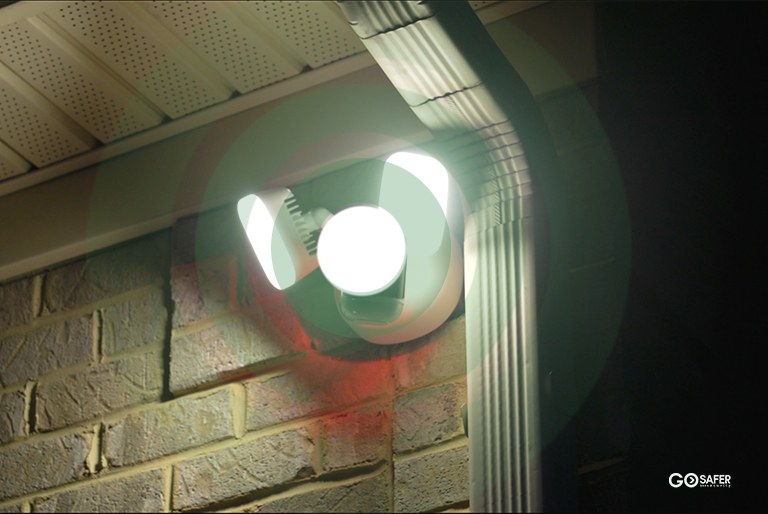
Using lights and motion sensors effectively for home security is one of the most powerful yet affordable ways to protect a home. Criminals typically prefer targets where they can move unnoticed. Darkness gives them exactly what they need: cover and opportunity. By illuminating vulnerable areas and activating lights when movement occurs, homeowners dramatically reduce the likelihood of break-ins.
Light can be used as a deterrent and detection tool. When motion sensors turn on a floodlight or security lamp, it instantly takes away places to hide. Intruders know they’re being watched and might give up on their plan altogether. For homeowners, sudden light also lets them know right away that something or someone is moving nearby.
Lighting also improves everyday safety for residents. Pathways, stairs, driveways, and entrances become easier to navigate at night, reducing accidents and injuries. For families with children, elderly members, or frequent guests, proper outdoor lighting adds both security and convenience.
Modern security lighting has evolved significantly over the years. Today’s motion sensors can connect to smart home systems, trigger cameras, and send mobile alerts when activity occurs. This integration transforms simple lights into a comprehensive security detection system.
Lighting and motion sensors are fundamental components of a layered home security strategy. When used strategically, it can protect property, discourage criminals, and create a safer living environment for everyone in the household.
Table of Contents
ToggleUnderstanding Motion Sensor Technology
To use lights and motion sensors effectively to keep your home safe, it is important to know how motion detection works. Motion sensors are devices designed to detect movement in a certain area and trigger a response, usually turning on lights, activating the alarms, or sending alerts.
Motion detection technology generally relies on detecting changes in the environment. When a person, animal, or object moves through the sensor’s field of view, the system recognizes the change and triggers the programmed response. This rapid reaction makes motion sensors ideal for security purposes.
Types of Motion Sensors Used in Security
There are several common types of motion sensors used in residential security systems. Each works differently and has specific advantages.
| Sensor Type | How It Works | Best Use Case |
| Passive Infrared (PIR) | Detects heat from human bodies | Outdoor lights and alarms |
| Microwave Sensors | Sends microwave pulses and measures reflection | Large outdoor areas |
| Dual-Technology Sensors | Combines PIR and microwave detection | High-accuracy security systems |
Passive Infrared (PIR) sensors are the most common in home security lights. These sensors detect heat signatures from people and animals. When a warm object moves across the detection zone, the sensor activates the lighting system.
Microwave sensors operate differently. They emit microwave signals and measure how the waves bounce back. When movement disrupts the signal pattern, the system detects motion. These sensors cover larger areas but may sometimes trigger false alarms.
Dual-technology sensors combine both systems. They require both heat and motion detection before activating. This approach reduces false triggers from small animals, wind-blown objects, or temperature changes.
Smart Motion Sensors vs Traditional Sensors
Modern motion sensors increasingly integrate with smart home ecosystems. Unlike traditional sensors that simply turn lights on and off, smart sensors connect with mobile apps and security systems.
Smart motion sensors can:
- Send real-time alerts to smartphones
- Trigger video recording from security cameras
- Activate alarms or sirens
- Integrate with voice assistants
These advanced features allow homeowners to monitor activity remotely. If motion occurs while the homeowner is away, they can instantly check camera feeds or receive notifications.
Traditional sensors remain effective and affordable, but smart systems offer greater control and flexibility. Many homeowners choose hybrid systems that combine basic lighting with advanced monitoring.
Understanding these technologies helps homeowners choose the right equipment for their property. With the correct sensors and proper placement, motion detection becomes a reliable defense against intruders.
Upgrade Your Home Security with Motion Sensors!
Strategic Placement of Security Lights
Even the best motion sensors cannot protect a property if they’re installed incorrectly. Strategic placement of both lights and motion sensors is essential for creating an effective home security system.
Security lighting should focus on areas where intruders are most likely to approach or attempt entry. Proper coverage ensures that any suspicious movement triggers illumination immediately.
Entry Points That Need Lighting
Most home break-ins occur through common access points. These locations should always have motion-activated lighting.
Important entry points include:
- Front doors
- Back doors
- Side entrances
- Garage doors
- Basement entrances
- Ground-level windows
Lighting these areas ensures that anyone approaching the home becomes visible instantly. Intruders prefer darkness, so removing shadows around entry points discourages criminal activity.
Outdoor Zones That Require Motion Sensors
Beyond doors and windows, several outdoor areas should also be protected with motion sensors.
| Outdoor Area | Security Purpose |
| Driveways | Detect vehicles or approaching individuals |
| Walkways | Illuminate paths to entrances |
| Backyards | Monitor hidden access areas |
| Side yards | Prevent unnoticed movement |
| Fences and gates | Detect perimeter activity |
Installing motion sensors along these zones creates a protective perimeter around the property.
Blind Spots Around the Property
Blind spots are areas that remain hidden from view. Criminals often look for these locations before attempting a break-in. Common examples include narrow side alleys, tall hedges, and poorly lit corners of the yard. Placing motion sensors in these areas helps eliminate concealment. When lights activate unexpectedly, intruders lose the element of surprise.
Choosing the Right Lighting for Security
Selecting the right lighting equipment plays a significant role in maximizing home security.
LED Security Lights
LED lights have become the standard for modern security systems. They offer several advantages over older lighting technologies.
Benefits include:
- Energy efficiency
- Long lifespan
- Bright illumination
- Instant activation
LED security lights consume less electricity while producing powerful brightness. This makes them ideal for motion-activated systems that turn on frequently.
Floodlights vs Motion Lights
Floodlights provide broad illumination across large areas, while motion lights activate only when movement occurs.
| Lighting Type | Best Use |
| Floodlights | Large yards and driveways |
| Motion Lights | Entry points and pathways |
Combining both lighting types often creates the best security coverage. Floodlights maintain visibility, while motion lights provide immediate alerts when activity occurs.
Smart Home Integration with Motion Sensors
Smart technology has transformed how homeowners use lighting for security.
Smart lighting systems can integrate with:
- Security cameras
- Alarm systems
- Mobile apps
- Smart speakers
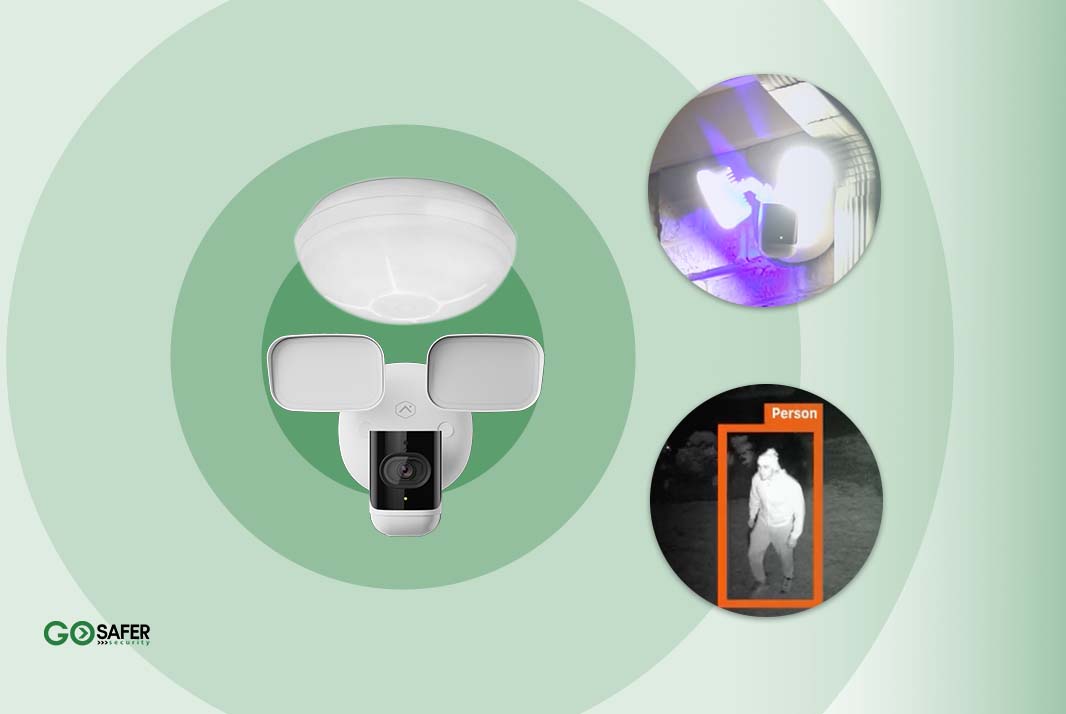
When motion sensors detect activity, the system can activate cameras, record footage, and notify the homeowner instantly.
Automation and Mobile Alerts
Smart automation allows homeowners to control lighting remotely. For example, lights can automatically activate when someone approaches the house or when the homeowner arrives home at night. Mobile notifications provide immediate awareness of unusual activity.
Integration with Cameras and Alarms
Combining motion sensors with cameras and alarms creates a layered security approach. When movement occurs:
- Lights activate
- Cameras begin recording
- Notifications are sent to the homeowner
This coordinated response significantly increases property protection.
Best Practices for Installing Motion Sensor Lights
Proper installation ensures that motion sensors function reliably.
Recommended Light Angles and Coverage
Lights should face downward and outward to maximize visibility without shining directly into neighbors’ windows.
Sensors should cover:
- 180-degree detection zones
- 20-30 feet of distance
- Main entry pathways
Avoid aiming sensors toward busy streets or tree branches that may cause false triggers.
Maintenance and System Testing
Security lighting should be tested regularly to ensure proper function.
Maintenance tasks include:
- Cleaning sensor lenses
- Checking wiring connections
- Replacing bulbs when necessary
- Adjusting sensitivity settings
Regular testing ensures that the system works when it’s needed most.
Conclusion
Using lights and motion sensors effectively creates a strong first line of defense against potential intruders. Proper lighting reduces hiding places, alerts homeowners to movement, and improves overall safety around the property.
When combined with smart technology, motion sensors become even more powerful. They can trigger cameras, send mobile alerts, and integrate with full security systems to protect homes day and night.
By choosing the right equipment and maintaining it regularly, homeowners can significantly strengthen their home security. A well-lit property isn’t just more comfortable; it’s also far less attractive to criminals.
🚀 Take Action Today: Want to optimize your home security with motion sensors and smart lighting? Request a Free Quote Today!