Skip to content


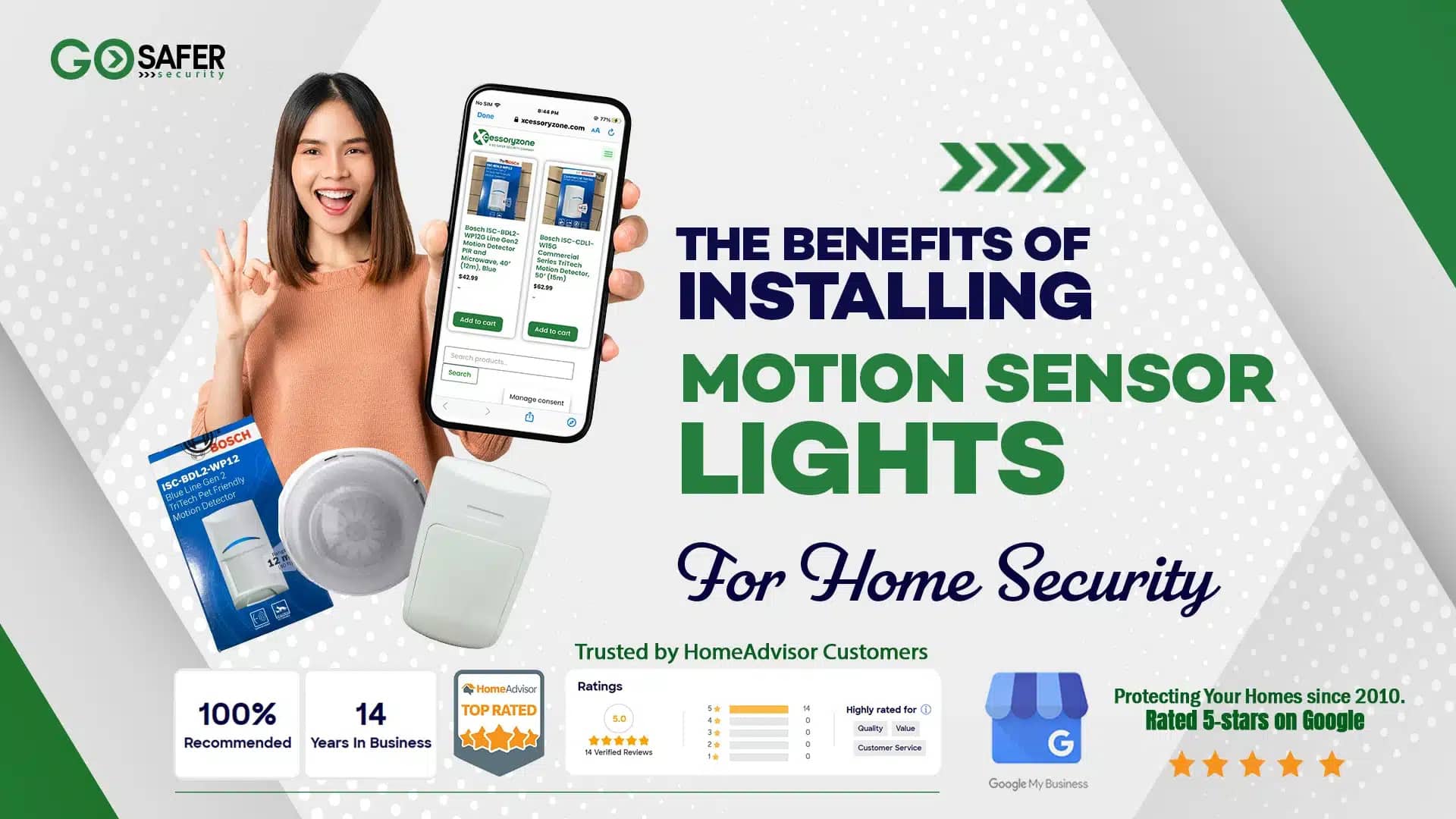
Are you worried about coming home late at night or leaving your loved ones unprotected while you’re away? Motion sensor lights offer a simple, effective solution to improve home security. These smart devices can transform your home into a safer space, deterring intruders and adding convenience to daily life.
In this post, we’ll explore the key benefits of motion sensor lights, their types, and tips for choosing the right one for your home.
Table of Contents
ToggleWhy Motion Sensor Lights Are Essential for Home Security
Imagine coming home at midnight, walking up to a dark entrance, and suddenly your path is illuminated by a bright motion-activated light. What was once a potential hazard becomes a safe, visible area.
Motion Sensor Lights:
- Alert you to potential intruders
- Illuminate dark areas automatically
- Reduce the risk of accidents
These lights provide peace of mind, knowing your home is actively protected even when you’re not around.
Convenience Beyond Security
Motion sensor lights offer more than just safety; they enhance everyday convenience. Picture yourself navigating your home at night with your hands occupied by groceries, trying to locate a light switch. With motion sensors, the lights automatically illuminate as you move, simplifying the experience.
Key Advantages:
- Hands-free lighting
- No more stubbed toes or fumbling in the dark
- Seamless integration with your daily routine
They add a touch of modern convenience while keeping your home safe.
Energy-Efficient and Cost-Effective
Worried about costs? Motion sensor lights are surprisingly affordable and energy-efficient. Many models use LED bulbs that consume minimal electricity, helping you save money while reducing your carbon footprint.
Benefits:
- Lower electricity bills
- Eco-friendly lighting
- Long-term investment in home safety
Motion Sensor Light Installation
A motion sensor detects movement and triggers an action, such as turning on lights or activating alarms. These sensors are commonly installed near doors, windows, hallways, and entry points for maximum security.
Motion sensors can integrate with your home security system, sending alerts to your smartphone or smart devices. This allows you to monitor live activity and take action when needed.
Types of Motion Sensor Lights
Understanding the types of sensors can help you choose the best model for your home:
- Infrared Sensors (IR): Detect heat changes from moving objects.
- Ultrasonic Sensors: Use sound waves to detect motion.
- Passive Infrared Sensors (PIR): Monitor temperature variations in a specific area.
- Image Sensors: Use cameras to identify movement.
- Accelerometer Sensors: Measure changes in speed or acceleration, often used in fitness trackers or gaming systems.
Each type has unique features suited for different areas and lighting conditions.
Choosing the Right Motion Sensor Light
When selecting a motion sensor light, consider:
- Size: Ensure the sensor covers the desired area.
- Range: Look for sensors that detect movement from at least 10 feet away.
- Type: Choose the sensor type based on lighting conditions and security needs.
Some advanced models include temperature sensors or smart integration, allowing remote monitoring and enhanced control.
Key Benefits of Motion Sensor Lights
- Enhanced Security: Automatically triggers lights when movement is detected.
- Accident Prevention: Illuminates dark areas to prevent falls or mishaps.
- Energy Savings: Lights only turn on when needed.
- Convenience: Hands-free operation in homes and entryways.
- Smart Integration: Works with home automation systems for remote control.
Final Thoughts
Motion sensor lights are a simple yet powerful addition to any home. Whether you want a basic model or a high-tech smart sensor, installing these lights improves security, convenience, and energy efficiency.
Let us know which motion sensor light you chose and how it’s working out for you! Comment below 👇
For more help or a free quote, contact us today.