Skip to content


Technology has changed the way people protect their homes and manage their businesses. Smart automation is no longer a luxury reserved for large companies or high-end homes. It has become a practical solution for improving safety, convenience, and efficiency in everyday life.
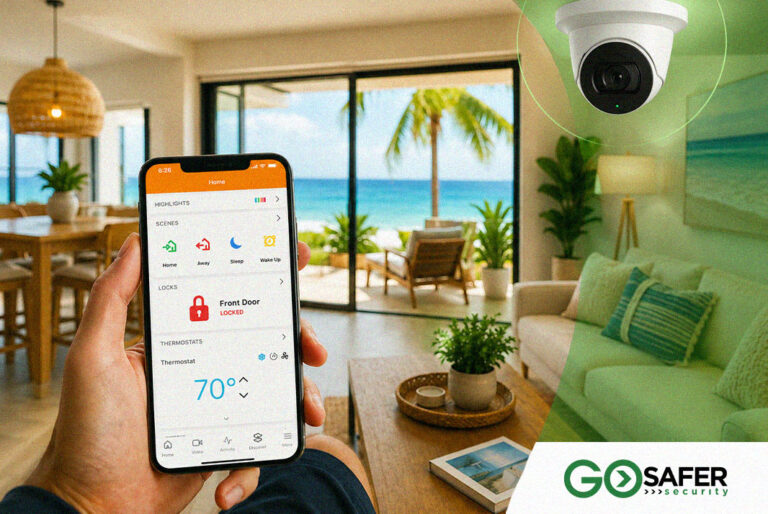
Modern smart automation systems connect devices such as lights, locks, security cameras, thermostats, sensors, and alarms into one easy-to-manage platform. Whether someone is at home, at work, or traveling, they can monitor and control important systems using a smartphone, tablet, or computer.
Table of Contents
ToggleWhat Is Smart Automation?
Smart automation is the use of connected devices that perform tasks automatically or allow remote control through an internet-connected platform.
Instead of managing every device separately, users can control multiple systems from one application. They can also create schedules or automatic actions based on specific events.
For example:
- Lock doors automatically at night.
- Turn lights on when motion is detected.
- Adjust indoor temperatures based on occupancy.
- Receive alerts if unusual activity occurs.
- Arm or disarm security systems
These simple automations save time while improving security and comfort.
How Smart Automation Works
Smart automation relies on several technologies working together.
Connected Devices
Smart locks, cameras, lighting, thermostats, sensors, and alarms communicate through a secure network. Each device shares information in real time.
For example, a motion sensor can trigger outdoor lights and activate a security camera at the same time.
Mobile Control
Most systems include a mobile application that lets users:
- View live camera footage
- Lock or unlock doors
- Control lighting
- Adjust temperature settings
- Receive instant alerts
This level of control makes property management much easier, even when away.
Benefits for Homeowners
Better Security
Home security is one of the biggest reasons people invest in smart automation. Instead of relying on traditional locks and alarms alone, homeowners gain continuous awareness of their property.
Features often include:
- Smart door locks
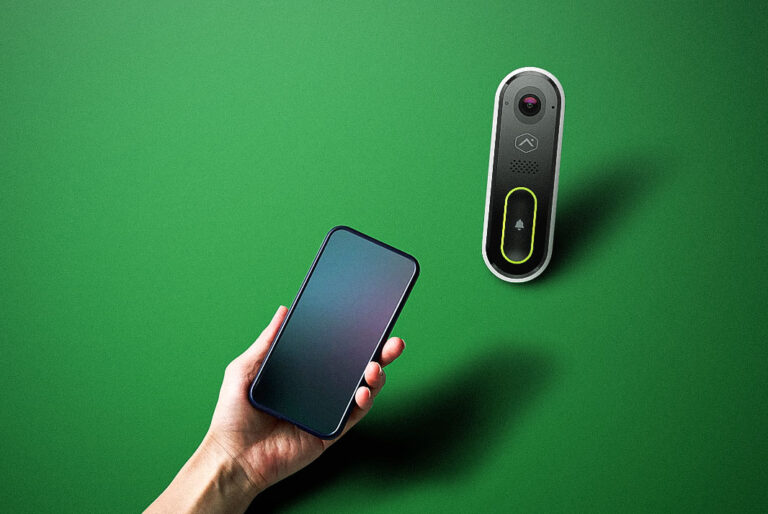
- Video doorbells
- Indoor and outdoor cameras
- Motion sensors
- Glass-break detection
- Mobile notifications
If someone approaches the property, homeowners can receive an alert within seconds and view live video from almost anywhere.
More Convenience
Daily routines become easier when repetitive tasks happen automatically. For example, homeowners can:
- Schedule lights before arriving home.
- Unlock the door for family members remotely.
- Open the garage using a smartphone.
- Turn off forgotten lights after leaving.
These small improvements make everyday life more comfortable.
Lower Energy Costs
Energy efficiency is another major advantage.
Smart thermostats learn usage patterns and adjust heating or cooling automatically. Smart lighting systems switch off unused lights, while connected plugs reduce standby power consumption.
Over time, these small changes may help reduce monthly utility bills.
Benefits for Businesses
Smart automation also supports safer and more efficient workplaces. Whether managing an office, retail store, warehouse, or commercial building, automation helps simplify daily operations.
Improved Operations
Business owners often manage multiple responsibilities at once. Automation reduces manual work by allowing systems to operate on schedules or respond automatically to changing conditions.
Examples include:
- Scheduled lighting
- Automated door locking
- Climate control
- Occupancy monitoring
- Security alerts
Employees spend less time on routine tasks and more time focusing on their work.
Better Access Control
Controlling who enters a building is important for both safety and accountability.
Smart access control systems allow administrators to:
- Assign unique credentials
- Limit access by time or location
- Remove permissions instantly
- Track entry activity
This reduces the risks associated with lost keys or unauthorized access.
Reduced Operating Costs
Businesses often operate for long hours, making energy management a challenge.
Automation helps reduce unnecessary expenses by controlling:
- HVAC systems
- Interior lighting
- Exterior lighting
- Equipment schedules
Running equipment only when needed helps improve efficiency without sacrificing comfort.
Smart Features Worth Considering
Every property has different needs, but several features provide value in most situations.
| Feature | Benefit |
|---|---|
| Smart Locks | Remote locking and unlocking |
| Video Doorbells | Visitor verification |
| Security Cameras | Continuous monitoring |
| Motion Sensors | Immediate alerts |
| Smart Lighting | Convenience and energy savings |
| Smart Thermostats | Improved comfort and efficiency |
| Smoke and Carbon Monoxide Detection | Faster emergency awareness |
| Mobile App Control | Remote access to connected devices |
Selecting the right combination depends on the property’s size, layout, and daily routines.