Skip to content

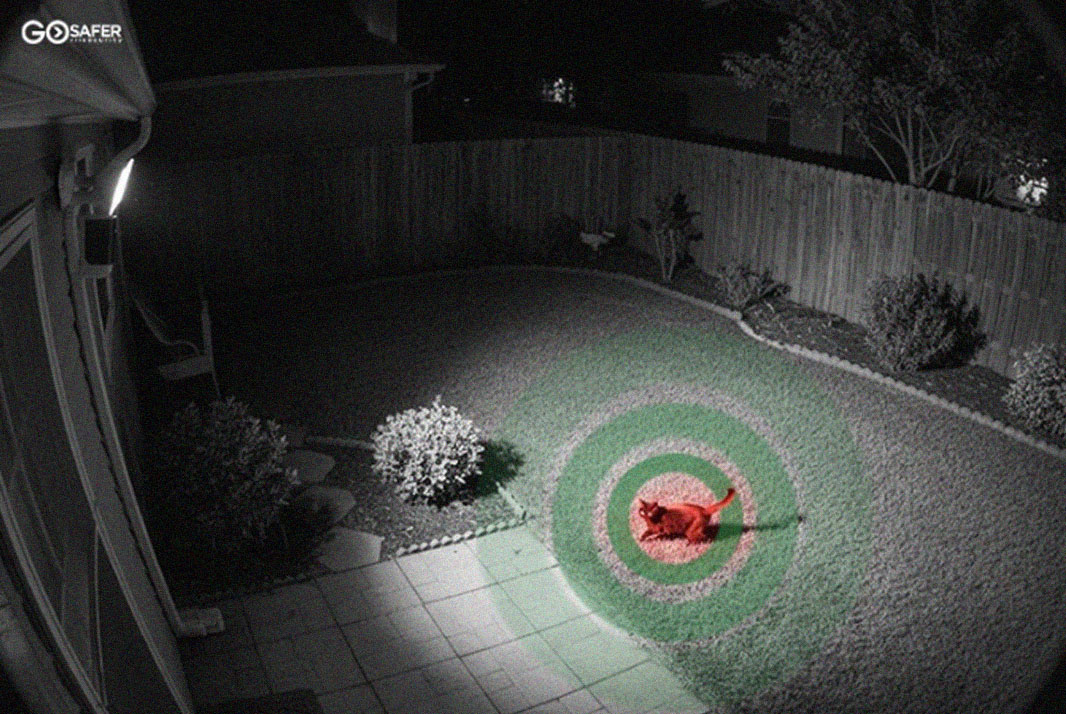
Security doesn’t stop when the sun goes down. In fact, most incidents happen at night. That’s where night vision cameras step in. They give you eyes in the dark, whether you’re protecting a home, office, or warehouse.
A standard camera becomes almost useless in low light, Shadows blur details. Faces disappear. Movement gets missed. Night vision cameras fix that problem. They don’t just record, they reveal what’s hidden. Night vision cameras become a core part of modern security systems.
Table of Contents
ToggleWhat Are Night Vision Cameras?
Night vision cameras are security cameras designed to capture clear video in low-light or no-light conditions. Unlike regular CCTV cameras, they don’t rely on visible light alone.
Instead, they use special technology to “see” in the dark.
Why Low-Light Visibility Matters
Without proper night vision, your security system has a major gap. Think about:
- Dark driveways
- Backyards with no lighting
- Closed businesses overnight
- Indoor spaces after hours
These are the moments when clear footage matters most.
How Night Vision Technology Works
Night vision may sound complex, but the idea is simple.
Infrared (IR) Illumination
Most cameras use infrared (IR) LEDs. These emit light that humans can’t see, but the camera can.
At night:
- The camera switches to IR mode
- It captures images using infrared light
- The result is usually black-and-white footage
Black-and-White vs Full-Color Night Vision
- Black-and-white: Better contrast, clearer details
- Full-color: Uses ambient light or built-in lighting
Each has its place depending on your setup.
Motion Detection & Smart Features
Modern systems go beyond just recording.
They can:
- Detect movement
- Send alerts to your phone
- Identify people vs objects
This reduces false alarms and keeps you focused on real threats.
Range Limitations
Night vision isn’t unlimited.
Typical ranges:
- Basic cameras: 30–50 feet
- Advanced systems: 100+ feet
Beyond that, image clarity drops.
Types of Night Vision Cameras
Not all night vision cameras are built the same.
Infrared (IR) Cameras
These are the most common.
- Work in total darkness
- Produce black-and-white images
- Cost-effective
They’re ideal for most homes and small businesses.
Low-Light / Starlight Cameras
These cameras need very little light.
- Use moonlight or street lighting
- Provide sharper images than IR
- Great for semi-lit areas
Full-Color Night Vision Cameras
These cameras use advanced sensors or built-in lights.
- Capture color footage at night
- Help identify clothing or vehicles
- Work best with some lighting
Smart AI-Powered Cameras
These are the most advanced.
- Detect people, vehicles, and faces
- Reduce false alerts
- Offer real-time insights
They’re a solid choice for larger properties or businesses.
Key Features to Look for Before Installing
Before you install a system, focus on what actually matters.
Resolution and Clarity
Look for:
- HD (1080p) minimum
- 4K for detailed footage
Higher resolution means clearer evidence.
Night Vision Range
Match (1080p) minimum
- 4K for detailed footage
Higher resolution means clearer evidence.
Night Vision Range
Match the camera range to your space.
- Small areas: 30–50 feet
- Larger properties: 100+ feet
Motion Detection Accuracy
A good system avoids false alerts.
Look for:
- Smart detection
- Custom alert zones
Weather Resistance
For outdoor cameras:
- Choose weatherproof models (IP66 or higher)
- Ensure durability in rain, snow, and heat
Mobile Access and Alerts
You should be able to:
- View live footage
- Receive alerts instantly
- Control settings remotely
Storage Options
Two main types:
- Cloud storage (remote access)
- Local storage (DVR/NVR) (no subscription)
Each has pros and cons.
Common Installation Mistakes to Avoid
Even the best camera won’t help if it’s installed poorly.
Avoid these mistakes:
- Mounting cameras too high
- Ignoring lighting conditions
- Missing blind spots
- Weak Wi-Fi connections
- DIY setup for complex systems
A small oversight can reduce effectiveness.
Where to Install Night Vision Cameras
Placement matters as much as the camera itself. Focus on key areas:
Entry Points
- Front and back doors
- Gates and access points
Driveways and Garages
- Monitor vehicles
- Capture movement at night
Outdoor Areas
- Backyards
- Side paths
Indoor Spaces
- Hallways
- Storage rooms
Business Locations
- Cash registers
- Loading docks
- Inventory areas
Benefits of Installing Night Vision Cameras
The advantages go beyond simple surveillance.
- 24/7 coverage — no blind spots at night
- Crime deterrence — visible cameras discourage activity
- Clear evidence — useful for investigations
- Remote monitoring — check anytime, anywhere
- Peace of mind — know your property is protected
How to Choose the Right System for Your Needs
There’s no one-size-fits-all solution.
Home vs Business Needs
- Homes: Simpler setups
- Businesses: Advanced systems with multiple cameras
Budget Considerations
- Entry-level systems work well for small spaces
- Higher-end systems offer better clarity and features
Wired vs Wireless
- Wired: Reliable, stable
- Wireless: Easier to install
Why Professional Installation Matters
A professional setup ensures everything works as expected.
Benefits include:
- Proper camera angles
- Full coverage with no blind spots
- Reliable system performance
- Integration with alarms and smart systems
Conclusion
Night vision cameras fill a critical gap in any security system. They make sure your property stays protected even when visibility drops. The key is planning ahead. Choose the right type, focus on essential features, and place cameras where they matter most. A well-installed system doesn’t just record events; it helps prevent them. If you’re considering upgrading your security, now’s a good time to take the next step and explore your options.