Skip to content


Walking into a modern office, you usually see sleek desks, ergonomic chairs, and plenty of high-tech gadgets. Everything looks clean, organized, and safe. Most of us don’t think twice about fire safety until we see a fire drill on the calendar. We assume that because we aren’t working with open flames or heavy machinery, the risk is low.
However, the reality is that modern offices are filled with “invisible” fire hazards. As technology changes, so do the risks. The way we work today using dozens of electronic devices, keeping flexible schedules, and storing materials in tight spaces creates a specific set of dangers. Many of these issues aren’t obvious until something goes wrong.
To keep your workplace safe, you have to look past the surface. From the breakroom microwave to the power strip under your desk, here is a breakdown of the hidden fire hazards you might be ignoring.
Table of Contents
ToggleThe Problem With Power Strips and “Daisy Chaining”
Almost every desk in a modern office has a power strip. We need them to plug in monitors, laptops, phone chargers, and desk lamps. While power strips are helpful, they are often used incorrectly.
Daisy-Chaining
This happens when one power strip is plugged into another to reach a distant outlet or add more plugs. Power strips are not designed to handle the electrical load of multiple other strips. This causes the wires to heat up, which can eventually melt the plastic and start a fire behind a desk or under a carpet.
Using Power Strips for High-Energy Appliances
If you have a small refrigerator or a coffee maker at your desk, these should be plugged directly into a wall outlet. Power strips are meant for low-energy electronics like computers. Plugging a heavy-duty appliance into a standard power strip can cause it to overheat in minutes.
How to Stay Safe:
- Never plug one power strip into another.
- If a cord feels hot to the touch, unplug it immediately.
- Only use power strips with a built-in circuit breaker.
- Keep cords out from under rugs where heat can get trapped.
The Secret Danger of Space Heaters
Offices are notorious for being too cold for some and too hot for others. This leads many employees to bring in personal space heaters. While they make the workday more comfortable, space heaters are one of the leading causes of office fires.
The danger usually comes from where they are placed. A heater tucked under a desk is often surrounded by paper, cardboard boxes, or trash cans. If the heater is left on and gets knocked over, it can ignite those materials in seconds. Furthermore, many people forget to turn them off at the end of the day. A heater running in an empty office overnight is a recipe for disaster.
Even “safe” modern heaters can be dangerous if the building’s wiring is old. These devices draw a lot of electricity. If multiple people in the same area turn on heaters at once, it can blow a fuse or cause wires inside the walls to overheat.
Technology Closets: Out of Sight, Out of Mind
In the digital age, every office has a “tech closet” or a server room. These rooms are the heart of the business, but they are also major fire risks. Servers and networking equipment generate a massive amount of heat. If these rooms are not properly ventilated or cooled, the equipment can fail and catch fire.
Maintaining Your Tech Space:
- Ensure the cooling system in your server room is checked regularly.
- Keep the area completely free of paper, boxes, and trash.
- Install a smoke detector specifically inside the tech closet.
- Clean out dust, as it can clog fans and cause components to spark.
The Rise of Lithium-Ion Battery Risks
We are surrounded by lithium-ion batteries. They are in our laptops, tablets, smartphones, and even those electric scooters some people use for their commute. While these batteries are generally safe, they can be volatile if they are damaged or overcharged.
Breakroom Hazards: More Than Just Burnt Toast
The breakroom is a high-traffic area that is full of heat-producing appliances. We all know about the classic “burnt popcorn” smell, but the risks go deeper than that.
The biggest hidden risk in break rooms is the build-up of grease and dust behind appliances. If a refrigerator motor or a microwave fan hasn’t been cleaned in years, the accumulated dust acts as a fire starter. When you combine that with the frequent use of these machines, the risk goes up significantly.
Clutter and Blocked Exits
Fire safety isn’t just about what starts a fire; it’s also about how you get out if one happens. In many modern offices, “clutter creep” is a real problem. This happens when boxes of files, extra chairs, or delivery packages are left in hallways or near exit doors.
Hidden Flammability in Modern Decor
Modern office design loves open spaces and comfortable furniture. However, the materials used in today’s offices are often different from those used decades ago. Many modern chairs, sofas, and acoustic wall panels are made from synthetic materials and foams.
While these materials look great, they can be highly flammable. If a fire starts, synthetic materials tend to burn much faster and hotter than natural materials like wood or cotton. They also release toxic chemicals in the smoke. This means that even a small fire can become life-threatening very quickly because of the fumes produced by the furniture.
The “Silent” Risk: Outdated Fire Equipment
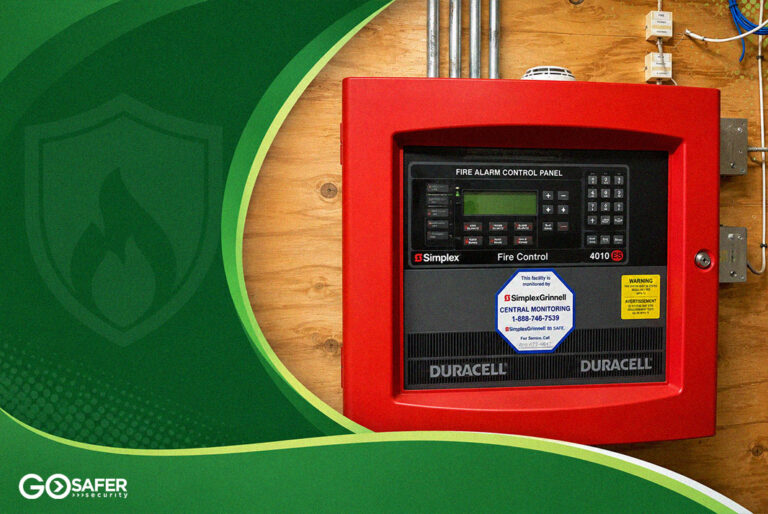
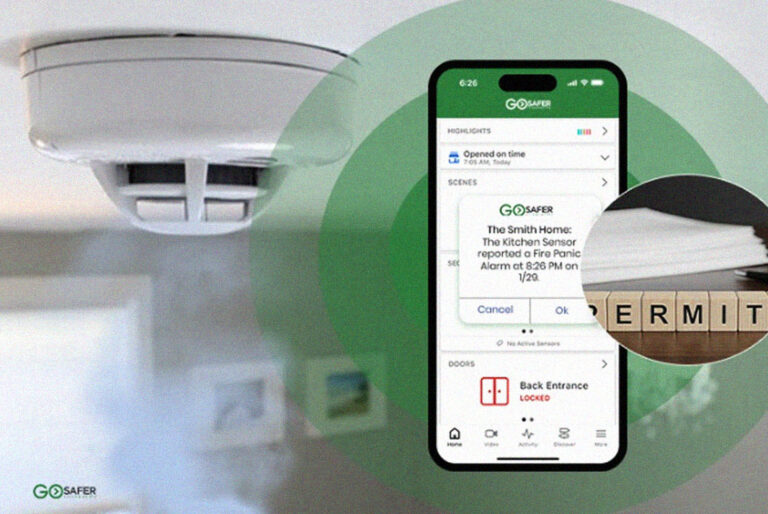
Many offices have fire extinguishers that have expired or lost pressure. If a fire breaks out, someone will grab the extinguisher only to find it doesn’t work. Similarly, smoke detectors with dead batteries or dusty sensors are useless.
Fire safety systems are “passive,” meaning we don’t think about them until we need them. This makes it easy to forget about maintenance. A building might have a top-tier sprinkler system, but if the valves are rusted shut or the heads are painted over during a renovation, they won’t help when it matters.
Creating a Culture of Safety
So, how do you handle these hidden risks? It starts with awareness. You don’t need to be a fire marshal to keep your office safe. You just need to pay attention to the small things.
Conduct Regular “Walk-Throughs”
Once a month, someone should walk through the office specifically looking for hazards. Check under desks for daisy-chained power strips. Look for blocked exits. Make sure the breakroom appliances are clean.
Update Your Policies
If your office doesn’t have a policy on space heaters or personal appliances, it’s time to create one. You don’t have to ban them, but you can require that they have an automatic shut-off feature and that they must be unplugged at the end of the day.
Focus on Training
Most employees know they should leave the building when the alarm sounds. But do they know where the nearest fire extinguisher is? Do they know how to use it? Simple training sessions can make a huge difference.
Keep It Clean
A clean office is a safe office. By reducing clutter, you remove the fuel that a fire needs to grow. Keeping tech rooms and breakrooms dust-free keeps electronics running cool and reduces the chance of a spark.
Final Thoughts on Office Safety
Fire safety in the modern workplace isn’t about one big thing; it’s about a dozen small things. We live in an era where we are constantly plugged in, and our offices reflect that. While our gadgets make us more productive, they also require more responsibility.
By identifying these hidden hazards now, you can create a safer environment for everyone. Modern offices are evolving, and our approach to safety needs to evolve with them. Stay observant, keep things organized, and never take your fire safety equipment for granted. A little bit of prevention today can prevent a major tragedy tomorrow.