Skip to content

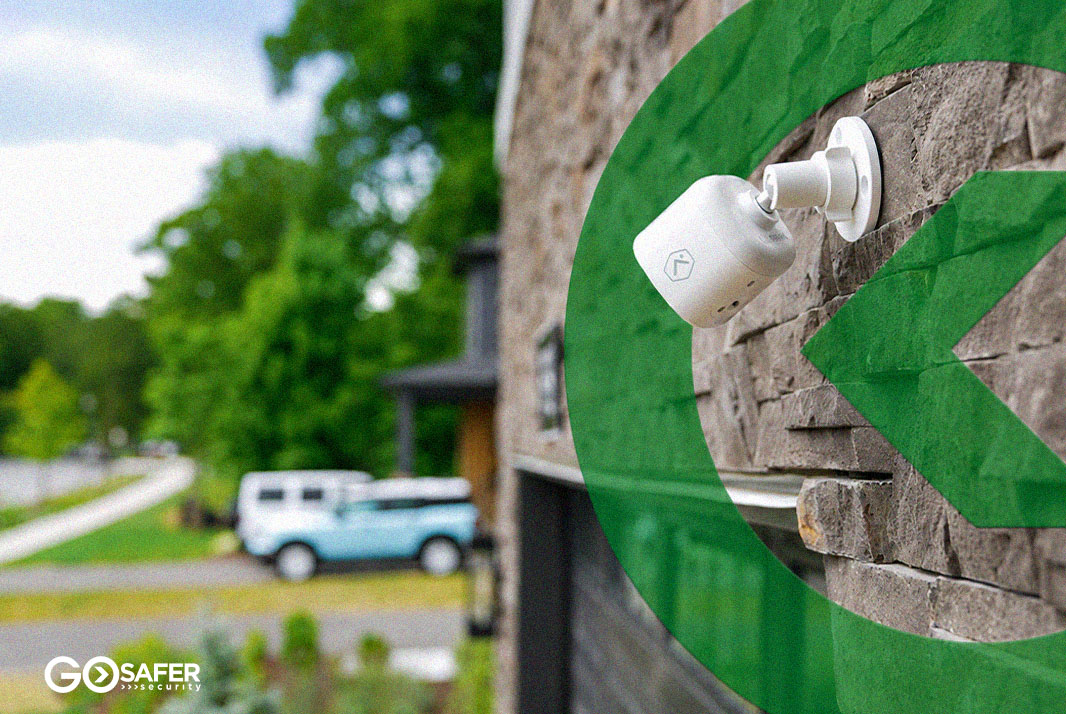
Historic homes have characters you simply can’t recreate. From detailed crown molding to century-old brickwork, these properties tell stories that modern construction often lacks. Yet behind the charm comes a challenge many homeowners face: how do you protect a historic property without changing the very details that make it special?
Living in a historical home in the heart of Washington, D.C., or along the cobblestone streets of Annapolis is a unique experience. You aren’t just a homeowner; you are a caretaker of a piece of American history. Whether it’s a Federal-style townhouse in Georgetown or a Victorian gem near the Maryland State House, these properties have a soul.
However, that soul often comes with challenges, especially when you want to bring the property into the 21st century. One of the biggest hurdles is security. How do you protect a home built in the 1800s without ruining its architectural integrity?
Table of Contents
ToggleWhy Historic Homes Need Modern Security
Older homes weren’t designed with modern security threats in mind. Many properties in DC and Annapolis still have original windows, antique locks, and aging entry points. While beautiful, these features can create vulnerabilities.
Historic districts also tend to attract attention. Tourists, contractors, delivery drivers, and visitors move through these neighborhoods daily. That increased activity can make it harder to identify suspicious behavior.
A modern security retrofit helps homeowners:
- Monitor entrances remotely
- Receive real-time alerts
- Deter theft and trespassing
- Protect valuable antiques and artwork
The key is doing it without disrupting the home’s appearance.
The Unique Security Challenges of Older Properties
Aging Entry Points and Vulnerabilities
Many historic homes still rely on original wooden doors and windows. While visually appealing, older materials may weaken over time.
Common concerns include:
- Loose door frames
- Thin glass windows
- Outdated locking systems
- Limited outdoor lighting
Some homes also have hidden crawl spaces, basement access points, or detached structures that need monitoring.
Visibility Concerns in Historic Neighborhoods
In neighborhoods throughout DC and Annapolis, maintaining architectural consistency matters. Oversized security cameras or visible conduit pipes can stand out immediately.
Homeowners associations and preservation commissions may restrict:
- Exterior drilling
- Visible wiring
- Modern hardware replacements
- Large floodlights
- Exterior modifications
Because of that, security systems must blend naturally into the structure.
Balancing Preservation With Protection
Understanding Preservation Guidelines
Before starting any retrofit, homeowners should understand local historic preservation rules. Some districts require approval before making visible exterior changes. This doesn’t mean security upgrades are impossible. It simply means planning matters.
Installers familiar with custom security solutions for historic properties often know how to work within these guidelines while still improving protection.
Why Discreet Security Matters
Discretionary installations protect the visual identity of the home. The goal isn’t to hide security completely. Instead, it’s to reduce visual disruption.
A well-designed system should:
- Match architectural details
- Minimize exposed hardware
- Avoid structural damage
- Preserve historical materials
- Deliver modern functionality
The best installations are often the ones visitors never notice.
Smart Security Features That Blend Into Historic Homes
Modern technology has made subtle security solutions far more effective than they were even five years ago.
Hidden Surveillance Cameras
Miniature cameras can now fit inside:
- Light fixtures
- Decorative trim
- Porch ceilings
- Entry moldings
- Outdoor lanterns
Many offer high-definition recording and night vision while remaining nearly invisible.
Homeowners looking into smart surveillance camera installation for older homes often prioritize compact hardware with wireless connectivity.
Wireless Alarm Systems
Wireless systems reduce the need for drilling and invasive wiring. That’s especially important in homes with plaster walls, historic woodwork, or delicate masonry.
Benefits include:
- Faster installation
- Less structural disruption
- Easier future upgrades
- Flexible sensor placement
Wireless sensors can protect windows, doors, and motion-sensitive areas without damaging original finishes.
Smart Lighting Integration
Lighting remains one of the simplest yet most effective deterrents.
Modern smart lighting systems allow homeowners to:
- Schedule lights remotely
- Trigger lighting during motion events
- Simulate occupancy while away
- Improve visibility around pathways
Warm-toned LED fixtures can preserve the traditional appearance of older homes while enhancing safety.
Remote Monitoring Solutions
Historic homeowners often travel frequently or own secondary residences. Remote monitoring adds peace of mind.
Through mobile apps, homeowners can:
- View live video feeds
- Lock or unlock doors
- Receive alerts instantly
- Monitor package deliveries
- Check environmental sensors
These systems add convenience without requiring obvious exterior modifications.
Best Entry Protection Options for Historic Properties
Reinforced Doors Without Changing Appearance
Replacing an original wooden door may hurt the historical value of the property. Instead, many installers strengthen existing doors internally.
Possible upgrades include:
- Reinforced strike plates
- Hidden steel cores
- Smart locks with traditional finishes
- Improved deadbolts
- Concealed door sensors
This approach keeps the original appearance intact.
Window Sensors for Antique Frames
Historic windows are often difficult to replace. Fortunately, slim-profile sensors can secure them discreetly. Modern sensors are small enough to fit inside trim or hidden areas without affecting the look of antique frames. Some systems even monitor glass vibration and breakage.
Invisible Access Control Systems
Keypads and card readers may feel too modern for a historical property. Fortunately, hidden access control systems now exist.
Examples include:
- Smartphone-controlled entry
- Hidden biometric readers
- Concealed smart locks
- Garage access integration
These options maintain a clean appearance while improving convenience.
For homeowners considering access control and smart home security upgrades, low-profile technology is often the best fit.
Security Installation Challenges in DC and Annapolis
Narrow Streets and Dense Layouts
Many older neighborhoods feature:
- Tight lot spacing
- Shared walls
- Limited parking
- Restricted equipment access
Installers may need specialized tools and careful planning to avoid damaging surrounding structures.
Preservation Board Restrictions
Certain neighborhoods require approval for visible changes. That can impact:
- Camera placement
- Exterior lighting
- Wiring paths
- Hardware finishes
Experienced installers often prepare detailed plans before installation begins.
Weather and Environmental Considerations
Historic coastal homes in Annapolis face moisture, salt air, and humidity. Meanwhile, DC properties may experience freezing winters and intense summer heat.
Security equipment should be selected carefully to handle:
- Temperature swings
- Rain exposure
- Corrosion risks
- Power fluctuations
Durability matters just as much as appearance.
Planning a Discretionary Security Upgrade
Conducting a Property Assessment
Every historical home is different. Before installing equipment, a full property assessment helps identify:
- Vulnerable entry points
- Lighting gaps
- Wiring limitations
- Preservation concerns
- Internet connectivity needs
This step prevents unnecessary modifications later.
Choosing Low-Impact Equipment
Low-profile equipment helps preserve architectural details. Homeowners should prioritize:
- Wireless technology
- Compact cameras
- Paintable hardware
- Flexible mounting systems
- Battery backup options
The right products reduce installation complexity.
Working With Experienced Installers
Historical properties require patience and precision. Not every security contractor understands preservation-sensitive work.
Experienced professionals know how to:
- Avoid damaging original materials
- Hide equipment effectively
- Navigate local regulations
- Minimize visual clutter
- Balance technology with design
Choosing the right installer can make the difference between a seamless upgrade and an obvious retrofit.
Common Mistakes Homeowners Should Avoid
Even well-intentioned upgrades can create problems when planning is rushed
Installing Oversized Cameras
Large commercial cameras often overpower residential historic architecture. Smaller, strategically placed cameras usually work better.
Ignoring Wi-Fi Limitations
Older homes sometimes have thick brick or plaster walls that interfere with wireless signals. A network assessment helps avoid dead zones and connectivity issues.
Overlooking Lighting Design
Bright floodlights may improve visibility but can disrupt neighborhood aesthetics. Layered lighting typically works better for historic properties.
Choosing Cheap Equipment
Budget hardware may fail faster in older environments. Moisture, dust, and fluctuating temperatures can shorten equipment lifespan. Reliable systems save money long-term.
Cost Expectations for Historical Home Security Retrofits
Costs vary depending on property size, preservation requirements, and equipment choices. Factors affecting pricing include:
| Security Upgrade Factor | Impact on Cost |
| Wireless vs hardwired systems | Wireless often reduces labor |
| Number of cameras | More coverage increases cost |
| Smart home integration | Adds convenience and expense |
| Historic preservation restrictions | May require specialized labor |
| Remote monitoring features | Subscription costs may apply |
While retrofitting a historical home may cost more than a standard installation, careful planning helps avoid expensive structural repairs later.
Benefits of Modern Security for Historic Homes
When done properly, discretionary security installations provide more than protection. They also help:
- Preserve property value
- Improve homeowner confidence
- Protect irreplaceable architecture
- Reduce insurance risks
- Enhance day-to-day convenience
Many homeowners are surprised by how seamless modern systems can look once installed. The best setups feel almost invisible while still delivering full functionality.
Final Thoughts
Historic homes deserve thoughtful protection. A poorly planned security installation can distract architectural beauty or even damage original materials. But with today’s technology, homeowners no longer need to choose between preservation and safety.
Discretionary security installations allow DC and Annapolis homeowners to strengthen protection while respecting the character of their properties. Smaller devices, wireless systems, hidden sensors, and smart automation all make modern security easier to integrate than ever before.
The most successful retrofits focus on subtlety, planning, and craftsmanship. When those elements come together, homeowners gain peace of mind without sacrificing the timeless charm that made them fall in love with the property in the first place.