Skip to content


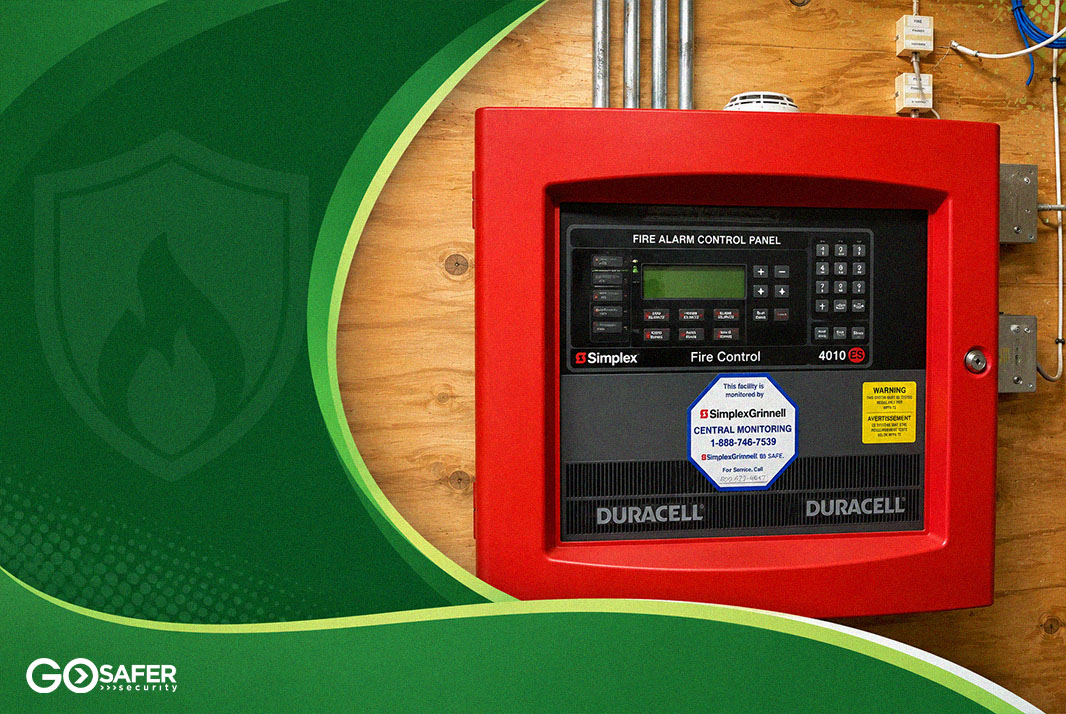
Fire alarm systems are among the most important safety investments in any building. They help protect people, property, and business operations by detecting fire early and providing enough time for occupants to respond safely. While many property owners focus on installation and inspections, fewer think about the system’s depreciation life and how it affects long-term planning.
Understanding the expected life of a fire alarm system helps owners prepare for future expenses, reduce unexpected failures, and maintain reliable protection. Whether you manage a commercial building, apartment complex, office, retail space, or industrial facility, knowing when equipment begins to age can make budgeting much easier.
This guide explains how depreciation works, what affects the lifespan of a commercial fire alarm system, and how Maryland property owners can reduce long-term costs while protecting both their investment and their occupants.
Table of Contents
ToggleWhat Is Fire Alarm System Depreciation Life?
Fire alarm system depreciation life is the estimated period during which the system keeps its financial value before it is fully depreciated for accounting purposes.
Depreciation does not always mean the system stops working. Instead, it reflects how the value of the equipment decreases over time because of:
- Daily use
- Aging components
- Technology upgrades
- Wear and tear
- Changing safety standards
Many businesses use depreciation to plan future capital improvements and budget for replacements.
How Long Does a Fire Alarm System Last?
The actual lifespan depends on several factors.
| Component | Typical Lifespan |
|---|---|
| Fire alarm control panel | 15–20 years |
| Smoke detectors | Around 10 years |
| Heat detectors | 10–15 years |
| Manual pull stations | 15–20 years |
| Notification devices | 15–20 years |
| Backup batteries | 3–5 years |
Regular inspections and preventive maintenance often help equipment last longer while remaining code compliant.
Factors That Affect Fire Alarm System Depreciation Life
Not every fire alarm system ages at the same rate. Several factors influence how quickly it loses value.
Building Environment
Dust, moisture, extreme temperatures, and corrosive conditions may shorten equipment life.
Maintenance History
Routine inspections help identify small problems before they become expensive repairs.
Technology Changes
Modern systems include better detection, remote monitoring, and improved reporting. Older equipment may become outdated even if it still works.
Manufacturer Support
Some replacement parts become difficult to find as systems age. Once support ends, replacing the entire system often becomes the better option.
Why Depreciation Matters for Business Owners
Understanding depreciation provides more than accounting benefits.
It helps you:
- Plan future budgets
- Reduce unexpected repair costs
- Schedule equipment upgrades
- Support insurance documentation
- Improve life safety compliance
Instead of waiting for a major failure, businesses can replace aging systems before they become a serious problem.
Signs Your Fire Alarm System May Need Replacement
Age alone does not determine when a replacement is necessary. Watch for these warning signs:
- Frequent false alarms
- Recurring service calls
- Parts are no longer available
- System fails inspections
- Communication problems
- Higher maintenance costs every year
If several of these issues occur together, replacement may be more cost-effective than ongoing repairs.
Maintenance Can Extend System Life
Preventive maintenance protects your investment. Simple maintenance includes:
- Annual inspections
- Detector cleaning
- Software updates
- Functional testing
- Documentation of all service activities
Professional service helps ensure every component performs properly during an emergency. Businesses that invest in routine maintenance often experience fewer unexpected failures.
Fire Code Compliance Is Just as Important
A working fire alarm system is not enough.
It must also meet current fire codes and local regulations. Older systems may no longer comply with updated requirements, even if they still operate.
Regular inspections help identify compliance issues before they result in penalties or safety concerns.
For businesses planning upgrades or new installations, Go Safer Security provides professional commercial fire alarm installation and monitoring services designed to meet today’s safety standards.
Best Practices for Managing Fire Alarm System Life
Property owners can maximize the value of their investment by following a simple plan.
Create a Maintenance Schedule
- Perform routine inspections.
- Replace batteries on time.
- Keep service records.
Plan for future upgrades – Budget for replacement before equipment reaches the end of its expected life.
Work with experienced professionals – Qualified technicians can identify issues that building staff may overlook.
Review system performance – Track repair frequency, inspection results, and maintenance costs each year.
Conclusion
Understanding fire alarm system depreciation life helps property owners make informed decisions about budgeting, maintenance, and future upgrades. While many systems remain reliable for 15 to 20 years, regular inspections and professional maintenance are essential to keep them operating safely.
Rather than waiting for equipment to fail, create a long-term maintenance and replacement plan. Investing in routine service today can reduce repair costs, improve compliance, and help protect the people and property that matter most.