Skip to content

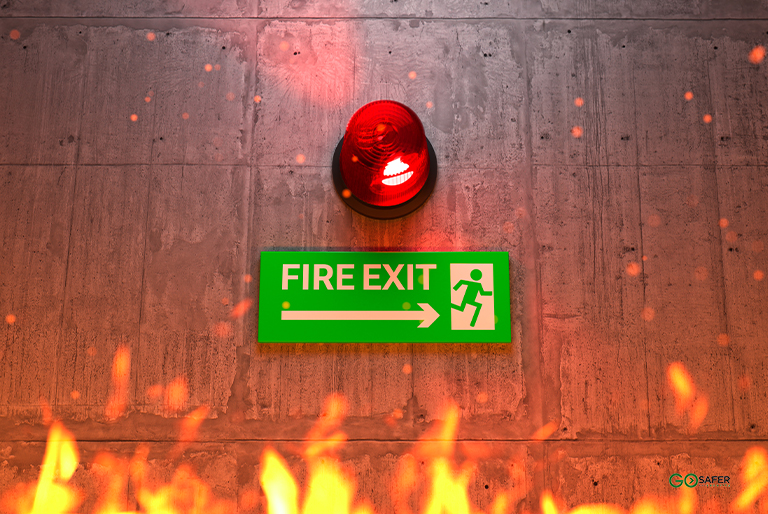
Imagine a normal day at your business. Employees are working, customers are browsing, and everything seems routine. Suddenly, an unexpected fire breaks out. In those crucial moments, the difference between minor damage and catastrophic loss often often comes down to one thing: preparation. Effective fire safety planning isn’t just about meeting code requirements. It’s about protecting lives, preserving property, and ensuring your building can recover and reopen.
For commercial and mixed-use properties, fire safety is non-negotiable. It demands a multi-layered approach: proactive fire safety planning, reliable commercial fire alarm systems, professional fire alarm installation, and consistent fire alarm inspection.
According to the National Fire Protection Association (NFPA), U.S. fire departments respond to an average of 33,000 fires at commercial properties each year, resulting in significant property damage and, tragically, sometimes fatalities. This highlights the critical need for robust preventive measures and rapid response capabilities.
In mixed-use buildings, the complexity multiplies. Different occupancies. Different operating hours. Different fire loads. One shared structure. That’s why a strong, adaptable fire safety strategy is essential.
Table of Contents
ToggleWhy Mixed-Use Buildings Require a Higher Level of Planning
Overlapping Occupancies and Shared Systems
Mixed-use buildings blend residential, retail, office, or restaurant spaces under one roof. While this design supports modern urban living, it also creates interconnected risk.
Electrical systems may serve multiple occupancies. HVAC systems may share ductwork. Stairwells and exits are often common.
A kitchen fire in a ground-floor restaurant doesn’t stay contained. Smoke and heat travel vertically. Shared infrastructure means a localized issue can escalate rapidly.
Increased Fire Load and Operational Complexity
Residential units bring cooking risks and electrical usage. Retail spaces may store packaging materials. Restaurants introduce grease-laden vapors. Offices rely on electronics and data equipment.
Each occupancy type adds fuel sources. Together, they raise the overall fire load.
Regulatory and Code Considerations
Fire codes differentiate between residential and commercial occupancies. When both exist in one structure, compliance becomes more nuanced.
Life safety systems must accommodate varying occupant loads, accessibility needs, and operational hours. Ignoring these distinctions can lead to violations and, worse, system failure during an emergency.
The Foundation of Protection: Comprehensive Fire Safety Planning
Before any equipment is installed or any training begins, the cornerstone of effective fire safety is a well-developed and diligently followed fire safety planning strategy. This isn’t a one-time task; it’s an ongoing process that adapts to changes in your building, occupancy, and operations. A robust plan acts as your blueprint for prevention, preparedness, and response, ensuring that everyone knows what to do when seconds count.
Key Components of Effective Fire Safety Planning
Your fire safety planning should cover several critical areas to create a truly resilient environment.
- Risk Assessment:
- Identify potential fire hazards specific to your business. This could include electrical equipment, stored chemicals, cooking areas, or even the type of waste generated.
- Assess the likelihood and potential impact of a fire in different areas of your facility.
- “Understanding your unique fire risks is the first step towards mitigating them,” advises Chief Mark Johnson, a retired Fire Marshal. “A generic plan won’t cut it; it needs to be tailored to your specific environment.”
- Emergency Evacuation Plan:
- Clearly marked exit routes and emergency exits.
- Designated assembly points outside the building.
- Procedures for assisting individuals with disabilities or special needs.
- Regular evacuation drills to familiarize everyone with the process.
- Fire Prevention Measures:
- Proper storage of flammable materials.
- Regular maintenance of electrical systems and appliances.
- Strict no-smoking policies in designated areas.
- Good housekeeping practices to minimize combustible clutter.
- Control of ignition sources.
- Employee Training:
- Educate all staff on the emergency evacuation plan.
- Train designated personnel on the proper use of fire extinguishers.
- Ensure everyone understands the sound and meaning of commercial fire alarm systems.
- Review emergency contact procedures.
- Communication Protocols:
- Clear lines of communication with emergency services.
- Internal communication strategies to alert all occupants.
- Designated roles and responsibilities during an emergency.
Developing and Maintaining Your Fire Safety Plan
A strong fire safety planning document follows a structured approach.
Forming a Fire Safety Team – Designate responsible individuals, building management, tenant representatives, and maintenance staff to oversee safety initiatives.
Conducting a Building-Wide Walk-Through – Inspect all floors, shared spaces, and mechanical areas. Identify weaknesses before they become emergencies.
Documentation and Authority Review – Draft your plan with detailed procedures and floor diagrams. Have it reviewed by local fire authorities when required.
Ongoing Updates and Plan Revisions – Renovations, new tenants, or layout changes require plan updates. Fire safety is not static.
Modern Safeguards: Commercial Fire Alarm Systems
Even the best plan relies on rapid detection.
Why Early Detection Matters
Early warning systems allow occupants to evacuate before conditions become life-threatening. In mixed-use buildings, early detection prevents vertical fire spread.
Types of Commercial Fire Alarm Systems
Modern commercial fire alarm systems offer flexibility and precision.
Conventional Systems
These divide buildings into zones. When triggered, they indicate the general area of activation.
Addressable Systems
Addressable systems identify the exact device activated. In multi-occupancy buildings, this precision accelerates response.
Voice Evacuation Systems
Instead of a simple siren, voice systems deliver instructions. Clear messaging reduces panic and improves evacuation flow.
Integration with Suppression Systems
Today’s systems integrate with sprinklers, fire pumps, and monitoring services. Automatic notification to emergency responders shortens reaction time.
Fire Alarm Installation in Mixed-Use Buildings
Professional fire alarm installation is critical.
Code-Compliant Design
Detector placement must align with occupancy type, ceiling height, airflow, and building layout.
Improper placement reduces system effectiveness.
Zoning by Occupancy Type
Separate zones for residential and commercial areas allow emergency responders to pinpoint the fire’s origin quickly.
Reducing False Alarms
Frequent false alarms lead to complacency. Proper calibration and maintenance minimize nuisance triggers.
The Absolute Necessity of Regular Fire Alarm Inspection
Installation alone isn’t enough. Systems must function flawlessly every time.
Inspection Frequency
Most commercial systems require annual inspection, with certain components tested quarterly or semi-annually.
Documentation and Compliance
Maintain detailed records of every fire alarm inspection. Documentation demonstrates compliance and protects against liability.
Working with Certified Professionals
Only qualified technicians should test and maintain life safety systems. Expertise ensures reliability.
Legal, Insurance, and Liability Considerations
Failure to maintain proper fire safety planning and inspection protocols can lead to severe legal consequences.
Insurance carriers often require documented maintenance of commercial fire alarm systems. Neglect may void coverage after a loss.
Property owners bear responsibility for maintaining safe conditions in shared structures.
Building a Culture of Fire Safety
Equipment and policies matter. But culture makes them effective.
Encourage tenants and businesses to report hazards immediately. Conduct periodic safety reminders. Keep communication open.
When fire safety becomes a shared responsibility, risk decreases dramatically.
Conclusion
Fire safety planning for mixed-use buildings demands more than basic compliance. It requires layered protection, thoughtful risk assessment, structured evacuation procedures, reliable commercial fire alarm systems, professional fire alarm installation, and consistent fire alarm inspection.
Mixed-use properties bring together different lifestyles and operations under one structure. That diversity adds convenience and complexity.
Preparation bridges that gap.
Invest in planning. Maintain your systems. Train your occupants. Review your procedures regularly.
Because when fire strikes, preparation is not optional. It is the difference between recovery and irreversible loss.