Skip to content

Home security has changed dramatically in the past decade. In the past, protecting a house meant installing a loud alarm and hoping neighbors would call authorities if something happened. Today, mobile monitoring has completely reshaped how homeowners protect their property, families, and valuables.
At its core, it lets homeowners use their smartphones or tablets to control and keep an eye on their security systems. Users can get alerts, see cameras, and control their security devices anytime and anywhere, instead of having to use a keypad on the wall.
This shift toward mobile-based protection is not just about convenience. It’s about awareness, control, and faster response times. When a door opens unexpectedly or motion is detected in the backyard, mobile monitoring sends a notification instantly. That means homeowners can act quickly, whether they are at work, on vacation, or simply upstairs.
Table of Contents
ToggleThe Evolution of Home Security Technology
Home security systems have evolved through several stages.
Traditional alarm systems relied on wired sensors and a central control panel. If someone broke in, the alarm would sound, and a monitoring center would call the homeowner.
While these systems were helpful, they had clear limitations:
- No real-time mobile alerts
- Limited remote control
- Little insight into what actually triggered the alarm
Modern mobile monitoring systems solve these problems.
Today’s smart security systems combine:
- Mobile apps
- Smart sensors
- Cloud connectivity
- Security cameras
- Automated alerts
Instead of simply reacting to a break-in, mobile monitoring helps homeowners stay informed and proactive.
Why Homeowners Are Switching to Mobile Monitoring
Homeowners are increasingly adopting mobile monitoring for several practical reasons.
1. Convenience
Managing a home security system from a smartphone is simple and intuitive. With a few taps, homeowners can:
- Arm or disarm the system
- Lock or unlock doors
- View camera feeds
- Check system status
2. Immediate Awareness
If anything unusual happens, mobile monitoring sends alerts immediately. These alerts might include:
- Motion detection
- Door or window opening
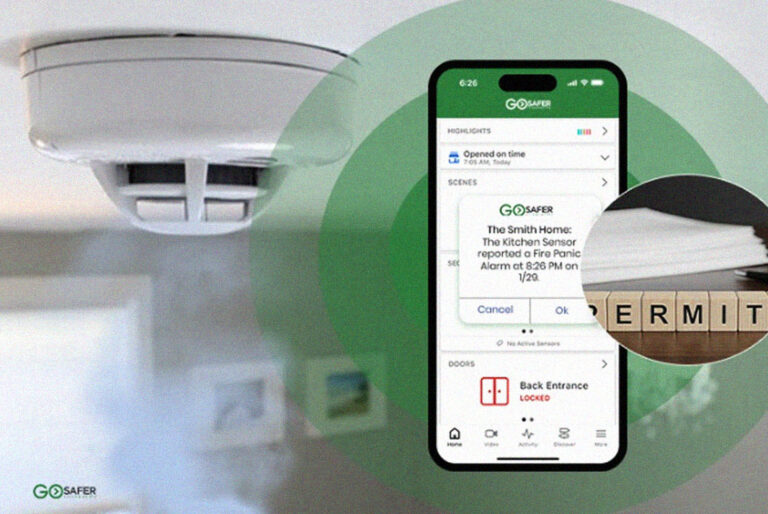
- Smoke detection
3. Peace of Mind
Many people worry about their homes when they travel or work long hours. Mobile monitoring eliminates much of that stress by keeping them connected to their property.
Real-Time Alerts: The Core Power of Mobile Monitoring
The most valuable feature of mobile monitoring is the ability to receive instant alerts. Instead of learning about a problem hours later, homeowners can respond immediately.
Instant Intrusion Notifications
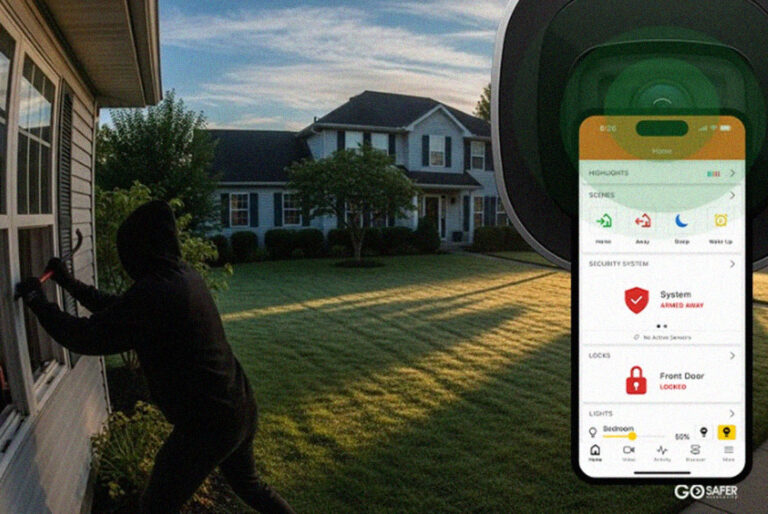
When a security sensor detects suspicious activity, mobile monitoring sends a push notification to the homeowner’s phone.
These alerts can include:
- Door or window openings
- Motion detection
- Glass break sensors
- Camera activity alerts
For example, imagine receiving an alert that motion was detected in your garage at 2:00 AM. With mobile monitoring, you can open the app and check the camera instantly. If it turns out to be a family member arriving late, there’s no issue. But if it is suspicious activity, you can respond immediately.
Smart Alerts for Fire, Flood, and Environmental Risks
Security threats are not limited to intruders.
Modern mobile monitoring systems also detect environmental hazards such as:
- Smoke
- Carbon monoxide
- Water leaks
- Extreme temperature changes
These alerts can prevent major disasters.
For example, a small water leak under a sink can cause thousands of dollars in damage if left unnoticed. With mobile monitoring, a sensor can send a notification before the problem gets worse.
Remote Access and Control from Anywhere
Another powerful advantage of mobile monitoring is the ability to control your home security system remotely.
Lock, Unlock, and Arm Systems Remotely
Life gets busy, and sometimes homeowners forget to arm their security systems before leaving the house. With mobile monitoring, you can simply open the app and arm the system from anywhere.
This feature is especially helpful in situations like:
- Letting a house cleaner inside
- Allowing a contractor to enter temporarily
- Unlocking the door for family members
Instead of sharing keys or alarm codes, homeowners can manage everything through mobile monitoring.
Monitoring Live Security Camera Feeds
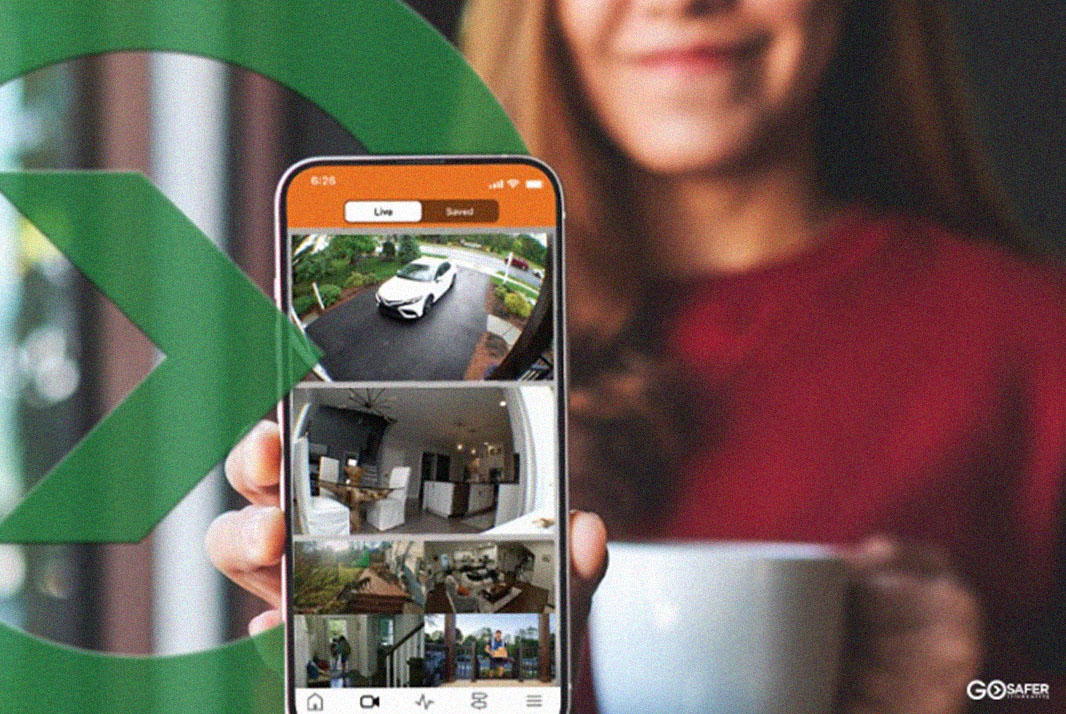
Cameras are a key part of modern home protection. With mobile monitoring, homeowners can view live video feeds directly from their phones. This provides immediate insight into what is happening around the property.
Common camera locations include:
- Front door
- Backyard
- Garage
- Driveway
- Interior entry points
Many mobile monitoring platforms also offer:
- Motion-triggered recordings
- Video playback
- Cloud storage
This makes it easy to review events if something suspicious occurs.
Smart Automation Integration
Home security systems are becoming smarter thanks to automation. When combined, automation can improve both safety and convenience.
Automated Security Routines
Automation allows homeowners to create custom routines.
For example:
Night Mode
- Doors lock automatically
- Security system arms
- Outdoor lights turn on
Vacation Mode
- Lights turn on and off automatically
- Cameras record motion
- System sends extra alerts
With mobile monitoring, these routines can be controlled and adjusted anytime.
Integration With Lighting and Sensors
Lighting can be very important in keeping crime from happening. When motion sensors pick up movement outside, monitoring systems can turn on the lights outside on their own. This sudden light can scare off would-be intruders and give homeowners a clear view of what’s going on around their property.
Enhanced Safety for Families
Home security is not just about protecting property. It is about protecting people. Monitoring can improve safety for everyone in the household.
Check-Ins for Family Members
Parents often want reassurance that their children have arrived home safely after school. Door sensors can send an alert when the front door opens, providing a quick notification. This simple feature helps parents stay informed and gives them peace of mind.
Emergency Response at Your Fingertips
Many mobile monitoring apps include panic buttons or emergency alert features. These tools allow users to quickly request help if they feel threatened. In some systems, pressing the panic button immediately alerts monitoring professionals who can contact emergency services. This quick response can be critical during dangerous situations.
Cost Efficiency and Long-Term Value
While home security systems require an investment, mobile monitoring can provide strong long-term value.
Reduced False Alarms
Traditional alarm systems sometimes trigger false alarms. With mobile monitoring, homeowners can verify alerts by checking cameras or sensors before contacting authorities. This reduces unnecessary emergency calls.
Insurance Benefits
Some insurance providers offer discounts for homes equipped with security systems. These discounts can help offset the cost of installation and monitoring services.
Privacy and Data Security
Security technology must also protect user data. Reliable systems use secure communication protocols and encryption to protect sensitive information.
Secure Mobile Apps and Encryption
Security providers typically implement:
- Encrypted data transmission
- Secure login authentication
- Regular software updates
These features help prevent unauthorized access.
Best Practices for Homeowners
Homeowners should also follow simple steps to keep their accounts secure.
These include:
- Using strong passwords
- Enabling two-factor authentication
- Keeping apps updated
- Avoiding public Wi-Fi when accessing security apps
Taking these steps helps maintain the integrity of the entire system.
The Future of Mobile Monitoring
The future of mobile monitoring is incredibly promising. New technologies are expanding what home security systems can do.
Upcoming innovations include:
- Artificial intelligence threat detection
- Predictive security alerts
- Facial recognition cameras
- Smart neighborhood monitoring
These advancements will make home security more proactive rather than reactive. Instead of simply responding to threats, future mobile monitoring systems may predict potential risks and notify homeowners before incidents occur.
Conclusion
Home security has entered a new era, driven by technology that allows homeowners to stay connected to their systems from anywhere. With real-time alerts, remote access, automation, and enhanced family safety features, these tools empower users to take greater control of their home’s protection.
Instead of worrying about what might happen while away, homeowners can stay informed and respond quickly to potential threats. As technology continues to evolve, these capabilities will become even smarter, faster, and more reliable. For those seeking stronger security and greater peace of mind, this level of connected protection is quickly becoming the new standard for modern home safety.