Skip to content


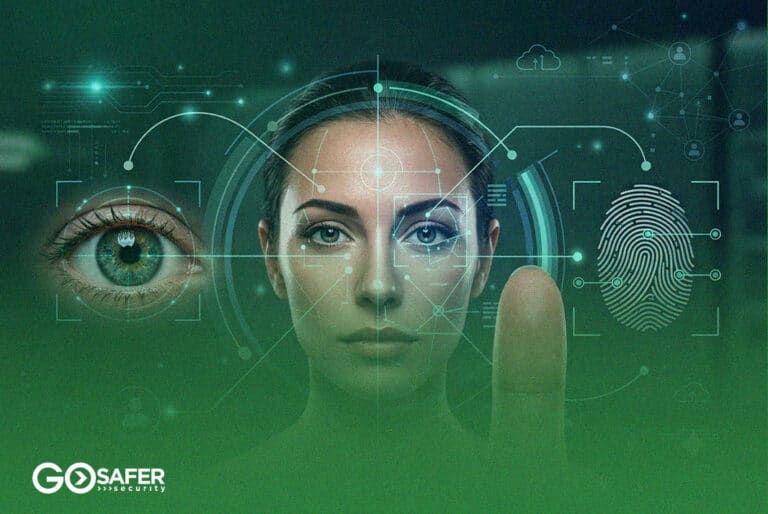
Facial recognition is becoming a common part of today’s workplace. It is no longer limited to airports, government buildings, or science fiction movies. Many businesses now use it to unlock doors, track employee attendance, and improve workplace security.
The technology offers many benefits. It makes access faster, improves safety, and reduces the need for physical ID cards or passwords.
However, not everyone sees it as a positive change. Many employees worry about privacy, data security, and constant monitoring.
So, is facial recognition a smart innovation or an invasion of privacy? Let’s explore both sides.
Table of Contents
ToggleWhat Is Facial Recognition Technology?
Facial recognition is a type of biometric security. It identifies a person by analyzing unique facial features, such as:
- Distance between the eyes
- Shape of the nose
- Jawline
- Overall facial structure
The system compares these features with stored information to verify someone’s identity.
Businesses use facial recognition for many everyday tasks, including:
- Building access
- Employee attendance
- Visitor management
- Identity verification
Unlike passwords or ID cards, a face cannot be forgotten or easily shared with someone else.
How Facial Recognition Improves Workplace Security
Modern businesses need stronger security than ever before.
Traditional access methods, such as keys, badges, or PIN codes, can be lost, stolen, or shared. Facial recognition helps solve these problems by confirming each person’s identity before allowing access.
When combined with audio and video surveillance systems, businesses can:
- Verify who enters and exits the building
- Monitor restricted areas
- Record security events
- Reduce unauthorized access
This creates a safer workplace while making security more efficient.
Benefits of Facial Recognition in the Workplace
1. Faster Building Access
Employees no longer need to carry ID cards or remember passwords.
A quick face scan allows them to enter secure areas within seconds.
Benefits include:
- Faster entry
- Fewer lost access cards
- Less waiting at entrances
- Better employee experience
2. Better Attendance Tracking
Facial recognition makes time tracking simple and accurate.
Instead of manual check-ins or badge swipes, employees are automatically recognized when they arrive.
This helps businesses:
- Reduce time theft
- Improve payroll accuracy
- Eliminate manual attendance records
- Save administrative time
3. Stronger Security
Security teams can identify people in real time.
If someone without permission tries to enter a restricted area, the system can immediately send an alert.
This helps protect:
- Employees
- Company property
- Sensitive information
- High-security locations
Improving Safety with Smart Security Systems
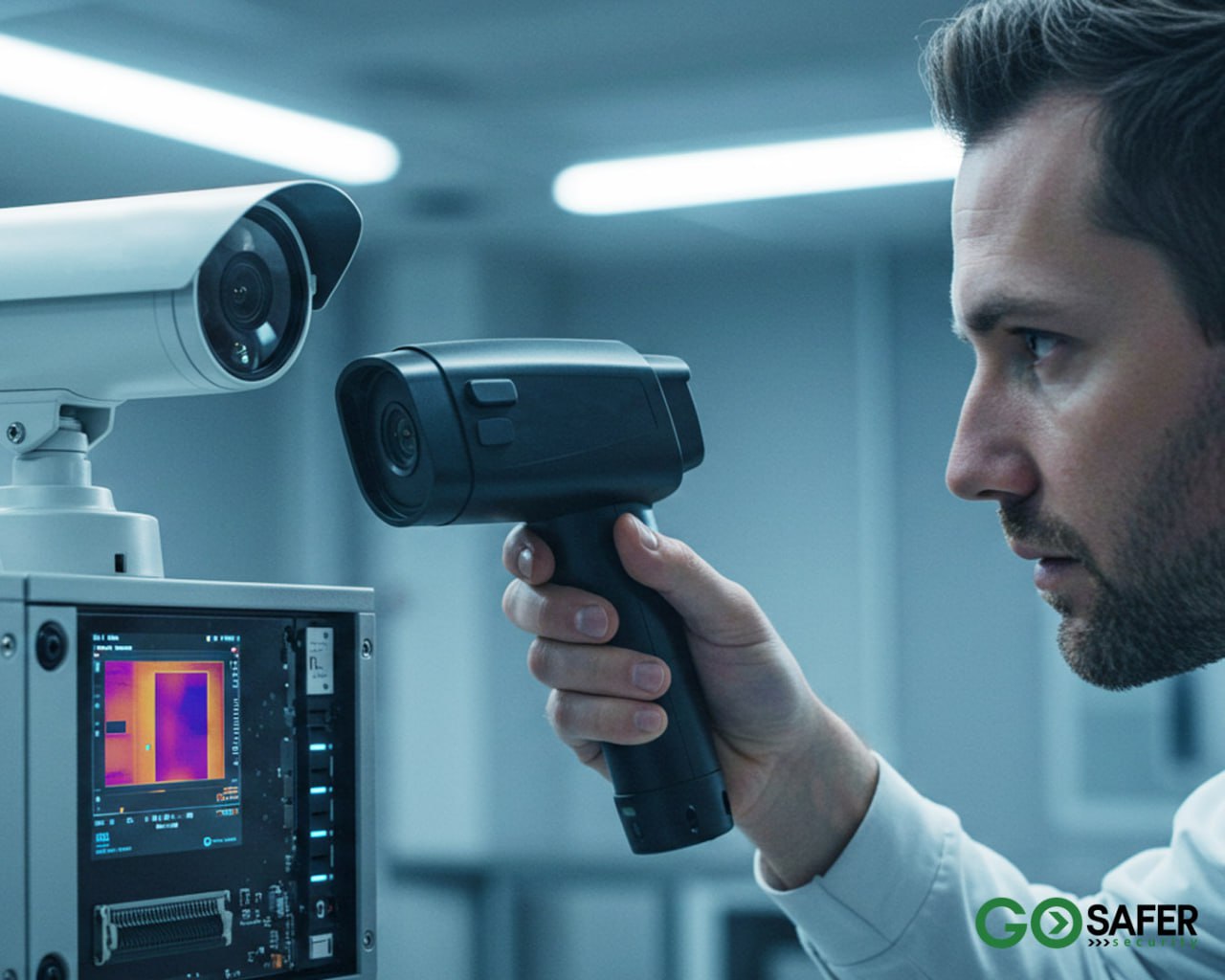
Facial recognition becomes even more powerful when integrated with commercial security solutions.
These systems can work together with:
- Video surveillance cameras
- Access control systems
- Alarm systems
- Visitor management software
The result is a complete security solution that monitors activity and responds quickly when problems occur.
Increasing Workplace Efficiency
Facial recognition is not just about security.
It also reduces repetitive administrative work.
For example, HR teams spend less time processing attendance records because the system automatically logs employee arrivals and departures.
Other benefits include:
- Faster employee check-ins
- Improved record accuracy
- Less paperwork
- More efficient daily operations
Employees also enjoy a smoother workplace experience because they don’t have to carry multiple access cards.
Integrating Facial Recognition with Commercial Security
Many companies now combine facial recognition with their existing commercial security systems.
This creates a single platform that manages:
- Building access
- Visitor identification
- Employee authentication
- Video monitoring
- Security reporting
Having everything connected makes it easier to manage security while protecting company assets and confidential information.
Privacy and Ethical Concerns
Although facial recognition offers many advantages, it also raises important privacy concerns.
Many employees feel uncomfortable knowing their faces are constantly being scanned.
Common questions include:
- Who owns my facial data?
- Where is the data stored?
- How long is it kept?
- Who can access it?
- Can it be used for other purposes?
Without clear answers, employees may lose trust in the technology.
Businesses should explain exactly how facial data is collected, stored, and protected.
Legal and Ethical Implications
Privacy laws vary by country and region.
Some U.S. states require employers to obtain written consent before collecting biometric information.
In Europe, the General Data Protection Regulation (GDPR) treats biometric information as sensitive personal data.
Businesses should always:
- Follow local privacy laws
- Obtain employee consent
- Store data securely
- Limit access to authorized personnel
Following legal requirements helps avoid penalties while building employee confidence.
The Risk of Data Misuse
No technology is immune to misuse. Cybersecurity risks arise when storing facial data, as improperly secured systems could allow hackers to access sensitive information.
Strong encryption, access control, and regular audits are vital to maintaining trust and protecting data integrity.
Employee Perspective: Feeling Watched or Protected?
While employers see facial recognition as an efficiency tool, employees may view it as a surveillance tactic. The psychological impact of “being watched” can affect morale, productivity, and trust.
Transparency is the key to bridging this gap. Companies must clearly explain how the technology benefits employees and safeguards their privacy.
Building a Responsible Implementation Strategy
Ethical adoption starts with informed consent. Employers should communicate how data is used, who can access it, and how it’s protected. Policies must be updated regularly, ensuring they align with both technological changes and employee rights.
Facial Recognition and AI Bias
Facial recognition systems have faced criticism for algorithmic bias, sometimes misidentifying individuals based on gender or ethnicity. To combat this, businesses should use inclusive datasets and partner with vendors committed to ethical AI development.
Best Practices for Businesses Using Facial Recognition
- Obtain written consent from all employees.
- Use encrypted storage and strong authentication protocols.
- Limit data access to authorized personnel only.
- Conduct regular audits and compliance checks.
- Collaborate with trusted security providers for installation and maintenance.
The Future of Facial Recognition in Workplaces
As AI continues to evolve, facial recognition will likely become more accurate, ethical, and integrated into daily operations. The focus for 2026 and beyond will be balance, embracing innovation while respecting privacy and individual rights.
When implemented responsibly, this technology can redefine workplace security without crossing ethical boundaries.
Conclusion
Facial recognition in the workplace presents a complex issue. It offers unparalleled convenience and security yet raises legitimate concerns about privacy and data protection.
The key lies in responsible adoption, ensuring transparency, compliance, and fairness. When used ethically, facial recognition can indeed be an innovation, not an invasion.
FAQs
1. What are the main benefits of facial recognition at work?
It improves security, streamlines attendance tracking, and enhances workplace efficiency.
2. Can facial recognition data be misused?
Yes, without proper encryption and consent policies, data breaches can occur—making secure systems vital.
3. Is facial recognition legal in workplaces?
It depends on regional laws. Always ensure compliance with data protection regulations like GDPR or local biometric laws.
4. How can employers address privacy concerns?
By being transparent, limiting data access, and obtaining written consent from employees.
5. Is facial recognition technology biased?
Some systems have shown bias in accuracy across demographics. Ethical companies should use fair datasets and audit algorithms regularly.