Skip to content


Buying a security system is a big step toward peace of mind, but the hardware is only half the battle. You can have the loudest sirens and the sharpest cameras, but if no one is listening when the alarm goes off, your protection is incomplete. That is where a home alarm monitoring service comes into play.
Choosing a home alarm monitoring service isn’t just about picking the cheapest plan or the most advertised brand. It’s about understanding how these systems actually work, what features matter in life, and how they fit your daily routine.
In this guide, we will break down everything you need to know to choose the right monitoring service for your specific lifestyle and budget.
Table of Contents
ToggleWhat Is a Home Alarm Monitoring Service?
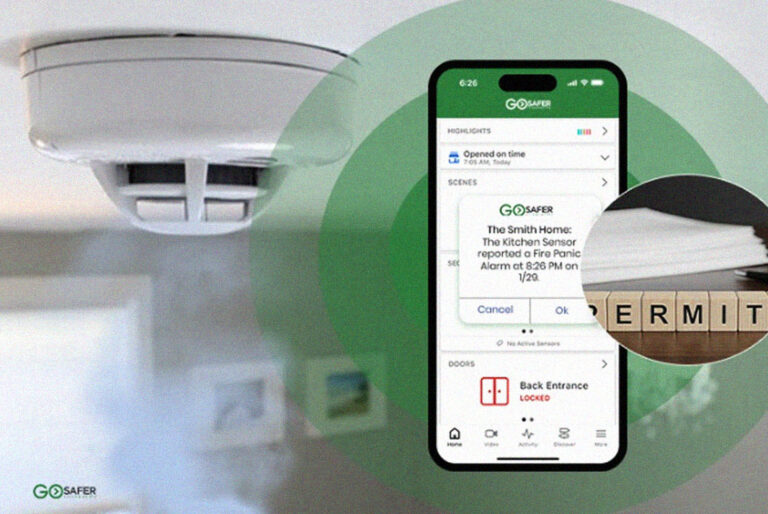
A security system monitoring service is a system that keeps watch over your property and responds when something goes wrong. Instead of relying only on a loud siren, it connects your alarm system to a response network and acts as a bridge between your home’s sensors and the emergency responders.
How the Process Works
- The Trigger: A sensor detects motion, entry, or unusual activity
- The Signal: Your home panel sends an encrypted alert to the monitoring center via cellular, Wi-Fi, or landline.
- The Response: An operator reviews the alert. They usually try to contact you first to ensure it isn’t a false alarm.
- The Dispatch: If you don’t answer or if you confirm there is an emergency, they immediately call the police, fire department, or paramedics.
Types of Monitoring
There are two main ways to handle alerts:
- Professional Monitoring: A dedicated team watches your system 24/7.
- Self-Monitoring: You get alerts on your phone and are responsible for calling 911 yourself.
Professional vs Self-Monitoring: Which Is Better?
The debate between professional vs self-monitoring alarm setups is one of the first hurdles homeowners face. Both have their place, but the level of protection varies significantly.
What Is Professional Monitoring?
This is the gold standard for home security. You pay a monthly fee to have a professional dispatch center on standby. They use redundant systems to ensure they never miss a signal. If your phone dies or you are in a meeting, they are still there to call for help.
What Is Self-Monitoring?
Self-monitoring has become popular with the rise of DIY smart home kits. You get a push notification on your smartphone when a sensor trips. It is cheaper, sometimes even free, but the weight of responsibility is entirely on your shoulders.
Key Differences at a Glance
| Feature | Professional Monitoring | Self-Monitoring |
| Response Time | Immediate, 24/7 | Depends on your phone access |
| Cost | Monthly subscription fee | Low or no monthly fee |
| Emergency Dispatch | Automated by experts | Manual (you call 911) |
| Reliability | High (redundant power/comms) | Variable (requires cell signal) |
| Insurance Perks | Usually qualifies for discounts | Rarely qualifies for discounts |
For most people, the “always-on” nature of professional help is worth the cost. If you are in a deep sleep at 3:00 AM, you may not hear a phone notification, but you will definitely hear the phone call or the police at your door.
Key Features to Look for in an Alarm Monitoring Service
Not all monitoring services are built the same. When you are comparing the best home alarm monitoring options, look for these five non-negotiable features.
24/7 Monitoring Availability
This one’s non-negotiable for professional plans. Threats don’t follow schedules. Whether it’s 2 PM or 2 AM, your service needs to be active every second of every day.
Fast Emergency Response
Seconds matter during a break-in or fire. A reliable 24/7 alarm monitoring provider should:
- Verify alerts quickly
- Contact emergency services without delay
- Keep you informed throughout
Mobile App Alerts & Control
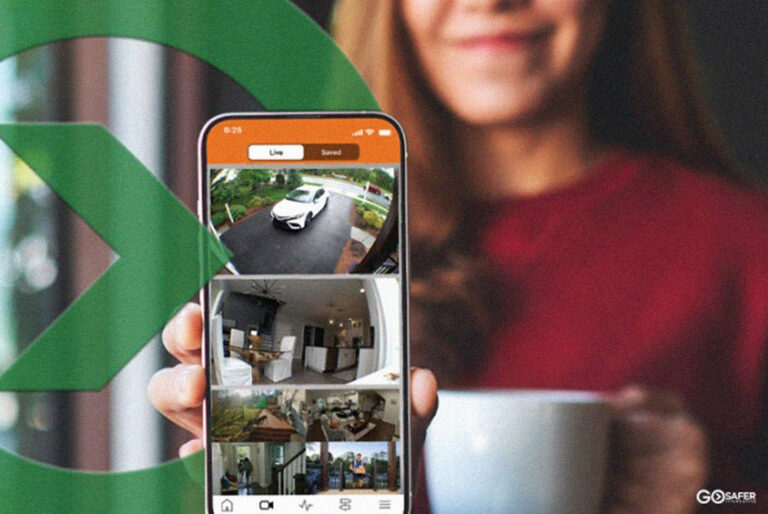
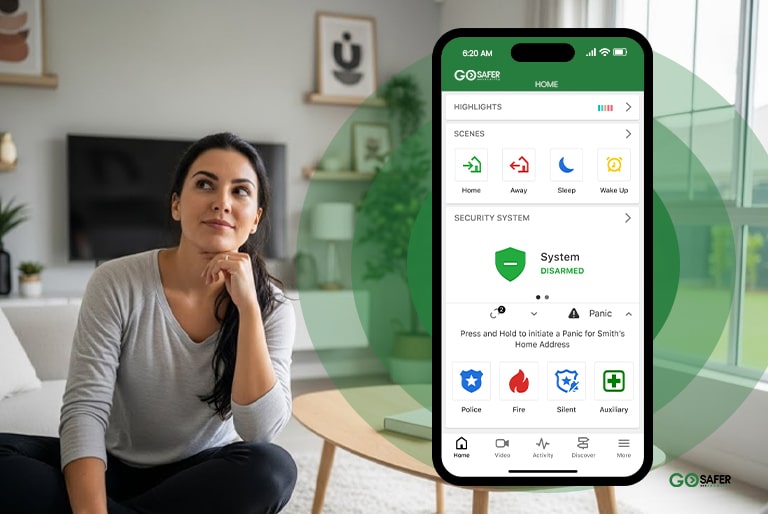
Modern security should live on your phone. A good alarm monitoring service will provide a robust app. This allows you to arm or disarm the system remotely, check camera feeds, and receive “soft alerts” (like a door being left open) even if the alarm isn’t triggered.
Backup Communication (Cellular vs WiFi)
Internet outages happen. If your security system relies solely on your home Wi-Fi, a cut cable or a power surge could leave you vulnerable. Look for services that prioritize cellular backup. This ensures your system can still talk to the monitoring center using cell towers, which are much harder for a burglar to disable.
Integration with Smart Home Devices
Your security shouldn’t exist in a vacuum. The best services play well with others. You might want your lights to turn on when the alarm triggers, or your smart locks to engage when you arm the system. Check for compatibility with platforms like Z-Wave, Zigbee, or Matter to ensure your smart home security systems are fully integrated.
How Much Does Alarm Monitoring Cost?
Pricing is often the deciding factor for many families. However, it is important to look at the total cost of ownership rather than just the “introductory” price.
Average Monthly Fees
Generally, you can expect to pay anywhere from $20 to $60 per month.
- Basic plans: Usually cover burglary and intrusion.
- Premium plans: Often include fire, carbon monoxide monitoring, and video storage for cameras.
Contract vs No-Contract Plans
- Long-term Contracts: Usually 12 to 36 months. These often offer lower upfront equipment costs but can be expensive to break.
- No-Contract (Month-to-Month): You pay more for the equipment upfront, but you have the freedom to cancel or switch services at any time. This is excellent for people who value flexibility.
Hidden Costs to Watch Out For
Always read the fine print. Some companies lure you in with a low monthly rate but hit you with:
- Activation Fees: A one-time charge just to “turn on” the service.
- False Alarm Fees: Some cities charge for police dispatch on false alarms. Check if your provider offers “alarm verification” to help prevent these.
- Equipment Upgrades: If you want to add a camera later, does the monthly price jump up?
What Happens When an Alarm Is Triggered?
Understanding the “life of an alarm” can help take the mystery out of the service. Here is exactly what happens when things go wrong:
- Detection: A sensor (like a motion detector) is tripped.
- Grace Period: Most systems give you 30 seconds to enter your code. This prevents accidental triggers.
- Signal Sent: If no code is entered, the panel sends an emergency signal to the monitoring station.
- Emergency Dispatch: If you don’t answer, or if you give the wrong code (or a duress code), the operator calls the local authorities
- Notification: You receive a final notification that help is on the way.
This structured process prevents the police from being called for every burnt piece of toast while ensuring real threats are handled with speed.
How to Choose the Right Monitoring Service for Your Needs
Everyone’s living situation is different. A one-size-fits-all approach rarely works in security.
For Homeowners
If you own your home, you likely want a permanent, robust solution. You should look for services that offer long-term stability and professional installation. Since you are likely to stay put, a contract might actually save you money on high-end hardware like outdoor cameras and glass-break sensors.
For Renters
Renters need portability and flexibility. Look for “no-contract” home alarm monitoring service options. You want a system that uses adhesive sensors (no drilling) and a service that you can “pause” or move to a new apartment without a massive headache.
For Small Businesses
Business needs are more complex. You might need “open and close” reports to see when employees arrive and leave. You may also need higher-grade video monitoring or panic buttons for staff. Look for a provider that specializes in commercial-grade reliability.
How Monitoring Services Help Deter Burglars
A monitoring service does more than just call the police; it acts as a psychological barrier. Most burglars are looking for the path of least resistance.
Visible security measures are among the most effective home security tips experts recommend. Understanding the psychology of burglars tells us that they fear being caught more than they fear the alarm itself. A monitored system represents a high probability of capture.
Final Thoughts
Choosing a home alarm monitoring service is one of the most important decisions you will make for your family’s safety. It is the difference between a system that just makes noise and a system that actually brings help. Take your time. Compare the features, look closely at the “hidden” costs, and prioritize reliability over the lowest price tag.
Your home is your sanctuary. Make sure the people watching over it are as committed to protecting it as you are. If you are ready to secure your property, reach out for a consultation to find the perfect monitoring fit for your needs.